
Sodium - Ion Batteries: Powering the Future of Energy Storage
Hey there! Today, let's dive into the world of sodium - ion batteries— a game - changer in the energy storage realm that's been gaining a ton of attention lately.
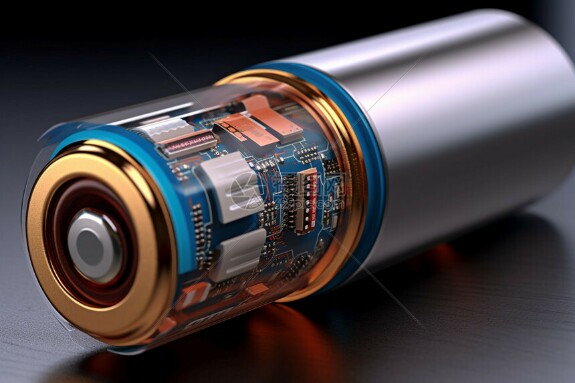
Why Sodium - Ion? The Advantages Are Clear
First off, let's talk about resources. Sodium is one of the most abundant elements on Earth. Unlike lithium, which has more limited reserves and can be costly to source, sodium is readily available. This means sodium - ion batteries have the potential to be much more affordable in the long run, making large - scale energy storage solutions more accessible.
Then there's safety. Sodium - ion batteries are inherently safer than some other battery types. They have a lower risk of thermal runaway (that scary situation where a battery overheats and can catch fire or explode). So, whether they're used in electric vehicles or grid - level energy storage, you can feel more at ease about their safety profile.
Performance That Holds Up
Don't think that just because they're affordable and safe, they skimp on performance. Sodium - ion batteries can deliver solid energy density, meaning they can store a good amount of energy in a compact space. They also boast decent cycle life — they can be charged and discharged many times before their performance starts to dip. This makes them suitable for applications where longevity is key, like powering electric cars or storing energy from renewable sources like solar and wind.
Where Are They Headed?
Right now, companies and researchers worldwide are pouring resources into advancing sodium - ion battery technology. We're seeing progress in increasing their energy density even further and improving their charging speeds. In the near future, we might start to see them pop up in more electric vehicles, residential energy storage systems, and even in large - scale grid projects. They could be the key to unlocking a more sustainable and efficient energy ecosystem.
Wrap - Up
Sodium - ion batteries aren't just a cool science project — they're a practical solution to some of the biggest challenges in energy storage today. With their abundance, safety, and solid performance, they're poised to play a huge role in shaping the future of how we store and use energy. Keep an eye out for them — they're going places!