
A Comprehensive Analysis of Sodium-Ion Batteries: Working Principles and Safety
With the growing global demand for renewable energy and the dwindling fossil fuel reserves, the development of efficient, low-cost, and safe energy storage technologies has become an urgent challenge. Sodium-ion batteries (SIBs), due to their abundant sodium resources and low production costs, have shown great potential for large-scale energy storage applications. They inherit many of the advantages of lithium-ion batteries while overcoming the shortage and high cost of lithium resources. However, SIBs still face numerous challenges in operating over a wide temperature range. This article will provide a detailed overview of the design principles, failure mechanisms, fundamental chemistry, and safety issues of sodium-ion batteries.

1. Operating Principle
The operating principle of sodium-ion batteries is similar to that of lithium-ion batteries, storing and releasing electrical energy based on the insertion/deintercalation of sodium ions between the positive and negative electrodes. The main steps involved are:
Charging Process: Under an applied electric field, sodium ions are deintercalated from the positive electrode material (such as layered oxides or polyanionic compounds), migrate through the electrolyte to the negative electrode material (such as hard carbon or sodium titanate), and then intercalate into the negative electrode material. Simultaneously, electrons flow from the positive electrode to the negative electrode via an external circuit.
Discharge Process: Sodium ions are deintercalated from the negative electrode material and migrate back to the positive electrode through the electrolyte. Simultaneously, electrons flow back to the positive electrode through the external circuit, releasing electrical energy.
The positive and negative electrode reactions of sodium-ion batteries determine the battery's electrochemical performance and energy density.
Electrode Material Selection
The performance of sodium-ion batteries depends largely on the selection of positive and negative electrode materials:
Cathode Materials: Common sodium-ion battery positive electrode materials include layered oxides (such as NaCoO2 and NaFeO2), polyanionic compounds (such as Na3V2(PO4)3 and NaFePO4), and Prussian blue compounds. An ideal positive electrode material should have high capacity, good cycle stability, and low cost.
Anode Materials: Hard carbon is currently the most commonly used sodium-ion battery anode material, offering good cycle stability and moderate capacity. In addition, sodium titanate (NaTiO2), metallic sodium, and alloys (such as Sn and Sb) have also been extensively studied to improve the battery's energy density and rate capability.
Electrolytes
Electrolytes transfer sodium ions in sodium-ion batteries. Common electrolyte types include liquid electrolytes, solid electrolytes, and gel electrolytes:
Liquid electrolytes: These are typically composed of sodium salts (such as NaPF6 and NaClO4) dissolved in organic solvents (such as ethylene carbonate and propylene carbonate). Liquid electrolytes offer high ionic conductivity but are flammable, volatile, and have poor safety issues.
Solid electrolytes: These include oxides (such as Na-β-Al2O3), sulfides (such as Na3PS4), and polymer electrolytes. Solid electrolytes offer high safety and good mechanical strength, but relatively low ionic conductivity.
Gel electrolytes: These are formed by adding polymers to liquid electrolytes to form a gel, combining the high ionic conductivity of liquid electrolytes with the high safety of solid electrolytes.
Failure Mechanisms:
1. Structural Changes in Electrode Materials
During repeated sodium ion insertion and deinsertion, the lattice structure of the electrode material changes, leading to mechanical stress and volume changes. This can cause particle fracture and active material shedding, reducing the battery's capacity and cycle life. The electrode/electrolyte interface is a key factor influencing the performance of sodium-ion batteries. During cycling, a passivation layer (such as the solid electrolyte interface (SEI)) readily forms at the interface, increasing interfacial impedance and impacting ion transport and battery performance. An ideal SEI layer should possess high ionic conductivity, good chemical stability, and mechanical strength to protect the electrode, prevent further electrolyte decomposition, and regulate ion transport.
2. Sodium Dendrite Formation
In sodium metal anodes, sodium ion deposition can lead to the formation of sodium dendrites, which, in severe cases, can pierce the separator, causing short circuits and safety issues. Sodium dendrite formation is primarily influenced by current density, anode surface conditions, and electrolyte composition. Solutions to address the sodium dendrite problem include optimizing current density, improving the surface structure of the anode material, and introducing functional electrolyte additives.
3. Electrolyte Degradation
Liquid electrolytes can degrade over time, and the resulting byproducts can react with the electrode material, impacting battery performance. For example, carbonate solvents decompose under high voltages to generate gas, leading to battery swelling and leakage. While solid electrolytes offer superior chemical stability, they suffer from poor interfacial contact with electrode materials, leading to increased interfacial impedance and negatively impacting battery performance. An ideal electrolyte should possess high sodium ion conductivity and a wide electrochemical stability window. Common electrolytes and their conductivity mechanisms include: Liquid electrolytes: Sodium ions migrate under the influence of an electric field by solvating them. Solid electrolytes: Sodium ions are conducted through ion channels within the crystal lattice, such as the oxygen ion vacancy migration mechanism in Na-β-Al₂O₃. Gel electrolytes: These combine a liquid electrolyte with a solid matrix to form a flexible structure, enhancing ionic conductivity.
Safety Challenges
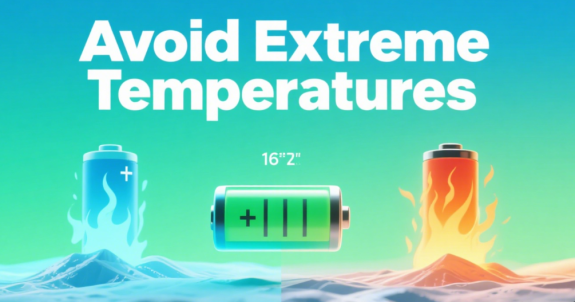
Electrolyte and Overheating Risks: Although sodium-ion batteries are theoretically more stable than lithium-ion batteries, some electrolytes and materials used in them can decompose, release flammable gases, and even cause thermal runaway under extreme conditions such as overcharging, short-circuiting, or high temperatures.
Material Stability: During charge and discharge cycles, the insertion and removal of sodium ions into and out of electrode materials can cause structural changes in the material, potentially impacting the long-term safety and cycle life of the battery, thereby increasing potential risks.
Energy Density: To achieve energy density comparable to that of lithium-ion batteries, the internal structure and materials of sodium-ion batteries must withstand greater stress, which may increase their instability under extreme conditions.
Safety Improvements
Selecting a Stable Electrolyte: Selecting a non-flammable, non-degradable, and highly stable electrolyte can effectively reduce the risks of battery failure under conditions such as overcharging and high temperatures.
Designing Well-Designed Electrode Materials: Selecting positive and negative electrode materials with high chemical and structural stability can reduce the risk of battery deformation and degradation during cyclic charging and discharging.
Enhancing the Battery Management System (BMS): Integrating an advanced BMS to monitor and control the battery's charging and discharging processes in real time and avoid dangerous conditions such as overcharging and over-discharging is key to improving the safety of sodium-ion batteries.
Optimizing Battery Structure and Heat Dissipation: Improving the battery's internal structural design and heat dissipation system can effectively prevent localized overheating, thereby reducing the risk of thermal runaway.
Future Outlook:
Sodium-ion batteries hold broad application prospects in the energy storage field, but many technical challenges remain to be addressed before their widespread adoption. Future research directions include:
1. New Materials Development
Continuous exploration of novel electrode and electrolyte materials, particularly those with wide-temperature stability, is key to improving the performance of sodium-ion batteries. For example, research on self-healing polymer electrolytes and nanocomposites is expected to provide enhanced electrochemical performance and stability over a wide temperature range.
2. Interface Optimization
Further research and optimization of the stability and ion transport efficiency of the electrode/electrolyte interface are crucial for improving overall battery performance. Creating low-impedance, highly stable interfaces through surface and interface modification is a key topic for future research.
3. System Integration and Application
The application of sodium-ion batteries in practical energy storage systems requires consideration of battery pack integration and optimized design. Optimizing battery module design, thermal management systems, and safety measures will ensure efficient and safe operation over a wide temperature range.
4. Sustainability and Economics
Sustainability and economics are crucial considerations in the development of sodium-ion battery technology. For example, research on low-cost, environmentally friendly electrode materials and electrolytes, as well as efficient recycling and reuse technologies, will reduce the production and operating costs of sodium-ion batteries and improve their economic benefits.