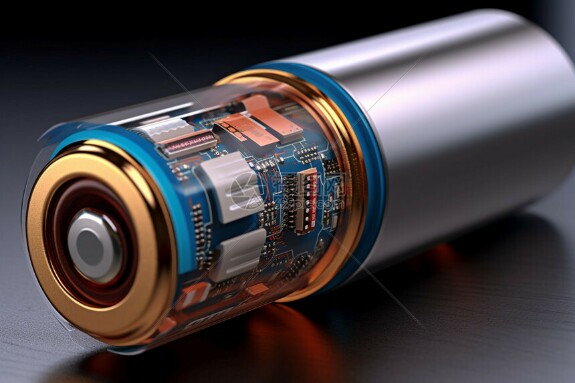

A Comprehensive Analysis of Sodium-Ion Batteries: Working Principles and Safety
With the growing global demand for renewable energy and the dwindling fossil fuel reserves, the development of efficient, low-cost, and safe energy storage technologies has become an urgent challenge. Sodium-ion batteries (SIBs), due to their abundant sodium resources and low production costs, have shown great potential for large-scale energy storage applications. They inherit many of the advantages of lithium-ion batteries while overcoming the shortage and high cost of lithium resources. However, SIBs still face numerous challenges in operating over a wide temperature range. This article will provide a detailed overview of the design principles, failure mechanisms, fundamental chemistry, and safety issues of sodium-ion batteries.

1. Operating Principle
The operating principle of sodium-ion batteries is similar to that of lithium-ion batteries, storing and releasing electrical energy based on the insertion/deintercalation of sodium ions between the positive and negative electrodes. The main steps involved are:
Charging Process: Under an applied electric field, sodium ions are deintercalated from the positive electrode material (such as layered oxides or polyanionic compounds), migrate through the electrolyte to the negative electrode material (such as hard carbon or sodium titanate), and then intercalate into the negative electrode material. Simultaneously, electrons flow from the positive electrode to the negative electrode via an external circuit.
Discharge Process: Sodium ions are deintercalated from the negative electrode material and migrate back to the positive electrode through the electrolyte. Simultaneously, electrons flow back to the positive electrode through the external circuit, releasing electrical energy.