
What is Maya?
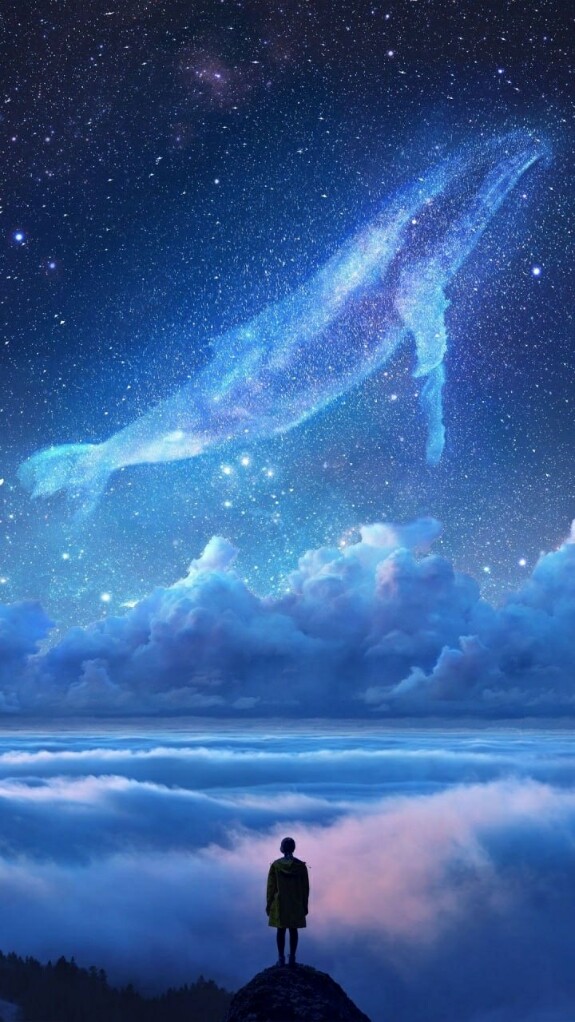
Illusions of diversity—of form, place, and time—are classified in the East under the general term Maya. The word Maya signifies the great sea of shadows—the realm of things as they appear, in contrast to a blank sheet of paper, which represents the one THING as it eternally is.
The mothers of the various Saviors of the World usually bear names derived from the word Maya, such as Mary, for the reason that the various redemptive deities signify realization born of illusion, or wisdom rising triumphantly from the grave of ignorance.
Philosophical realization must be born from the realization of illusion. Therefore, the Savior Gods are born from Maya and rise through many tribulations into the light of eternity.
Manly P. Hall
The profound insight expressed by this 20th-century mystic, among other things, is that the illusion in which the Eternal Higher Principle of man, sometimes called "Spirit," temporarily resides, is apparently a key condition for the unfolding of Man's inner potential as a bearer of Higher Principles. At least on this Earth.
In other words, it is necessary not to complain about life, not to be surprised by the vicissitudes of fate, and not to lament one's hard lot, but to understand and recognize where we are, where we came from, why we are here, and where we will go. Illusion is likely capable of facilitating the development of the seeds of Eternal Nature within Man through the latter's awareness of his purpose and through a series of correct choices that lead Man to his Realization.
Thus, by recognizing who we are within the limited, illusory, yet perceptible conditions, we can find a clue about Who We Were before the illusion, before incarnating in the Great Maya. Remembering our Divine Nature, we strive toward the Stars, whose Light we gazed upon from the darkness of illusion, and among which lies our True Eternal Home.
hall


