
Is it possible to solve the problem of aggression on the defensive frontiers?
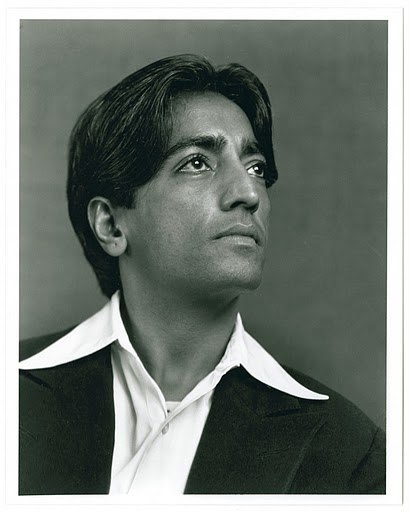
This wave of aggression, blood, and organized crime seems to arise periodically in one group and then pass on to another. History confirms this again and again. No country is free from this aggression. We all, each in our own way, are responsible for this wave of mass aggression and destruction.
Is it possible to live without aggression, and therefore without defense? Does every effort come down to a sequence of attack and defense? Can one live a life without destructive effort? Each person must become aware of his or her reactions to this problem. Do not the efforts made in the name of becoming create the necessity for self-assertion and self-expansion of the individual, and therefore of the group or nation, leading to discord, opposition, and war?
Is it possible to solve the problem of aggression on the defensive frontiers? Defense implies self-protection, opposition, and conflict — but can opposition ever resolve opposition? Is it possible to live in this world and yet be free from the constant battle between yours and mine, with all these ruthless attacks and defenses? Because we wish to protect our name, our property, our nationality, our religion, our ideals, we cultivate the spirit of attack and defense. We are steeped in possessiveness and acquisitiveness, and therefore we have created a social structure that conditions ever more ruthless exploitation and aggression. This possessive becoming itself provokes opposition, and thus attack and defense become part of our everyday existence.
No solution can be found as long as we think-feel in terms of defense and attack, for that only sustains confusion and struggle.
Is it possible to think-feel without defense and attack? This is possible only when there is love, when one has renounced greed, ill will, and ignorance — which express themselves through nationalism, the thirst for power, and other forms of crime and cruelty. If one wishes to solve this problem once and for all, thought-feeling must surely be freed from all acquisitiveness and fear.
This attitude of defense and attack is encouraged in our daily life and ultimately leads to war and other disasters. The difficulty lies in our own contradictory nature: we want peace and yet cultivate the causes that bring about war and destruction. We want happiness and freedom and yet encourage lust, ill will, and recklessness; we pray for understanding and yet deny it in everyday life; we wish to enjoy both opposites and thus become entangled and lost.
If you wish to put an end to this wave of ruthlessness, terrible destruction, and suffering — if you wish to save your son, your spouse, your neighbor — you must pay the price. This suffering is created not by one group or race but by each of us; each must reflect and destroy the causes that lead to these disasters and immeasurable sufferings. You must completely renounce your nationalism, your greed and hostility, your thirst for power and wealth, and your attachment to organized religious prejudices which, though they proclaim the unity of mankind, in fact set people against one another. Only then will peace and joy prevail.
Why is it that we seem incapable of living creatively and happily without destroying one another? Is it not because we so condition ourselves with our passions, hostility, and stupidity that we are no longer able to live joyfully and serenely? We must break through our own conditioning — this urge to be something. We are afraid to be nothing; therefore we escape, and thus we feed our fear through greed, hatred, and ambition.
The problem is not how to defend ourselves, but how to transcend the desire for self-expansion — the thirst for becoming. Only those who abandon their passions, their thirst for fame and personal immortality, can help create a creative world and joy.
Jiddu Krishnamurti
krishnamurti
philosophy
induism


