
The secret of Viking-era treasure discovered in Scotland might finally be uncovered (B1)
Readaily / Articles by 🇬🇧 level for every day
The secret of Viking-era treasure discovered in Scotland might finally be uncovered (B1).mp3
0:00
1:55
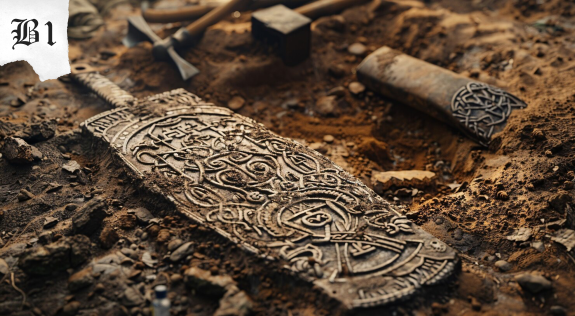
In 2014, the Galloway hoard – the largest Viking-era treasure ever found in Britain or Ireland – was discovered in a Scottish field. Buried around AD 900, its ownership mystery may now be solved.
The hoard, filled with gold and silver items, likely belonged to a community over 1,000 years ago. Today, it is publicly owned after being acquired by National Museums Scotland (NMS) in 2017. A key clue came from a runic inscription on a silver arm ring: “This is the community’s wealth.”
Dr. Martin Goldberg of NMS explained the timing: “We’re sharing it globally, starting with Australia. Everyone owns part of this treasure, as the inscription suggests.”
Experts initially struggled to decode the runes (“DIS IS ЇIGNA F”). They realized “F” represented "feoh"(Old English for “wealth”), while “ЇIGNA” meant "higna" (“community”). “DIS” was likely a misspelling of “this.” Goldberg noted it’s rare to see “community” on jewelry – such terms usually appeared in legal documents.
Dr. David Parsons, a runic expert, called the inscription “unusual” with technical errors. However, regional language variations, like those in modern English, made the message plausible.
The hoard, buried during Viking raids, includes 100+ items: a masterfully crafted silver cross, a crystal jar inscribed “Bishop Hyguald had me made,” and gold threads from Asia. Three arm rings bear Old English names, hinting at multiple owners.
Alfred the Great’s battles against Vikings and the theft of church treasures suggest the hoard was hidden for protection. Yet, questions remain: Which community owned it, and why bury it? The arm ring’s message offers a tantalizing clue to its past.
b1
culture
