
EnviroBiotics vs. Every Other Air Purifier Brand: A Category-by-Category Breakdown
Shopping for an air purifier can feel like standing in a crowded room where everyone is shouting. HEPA this. Ionizer that. UV light. Carbon filter. Ozone generator. Each brand claims to be the best, but they are often comparing apples to oranges. The truth is that EnviroBiotics does not really compete with most other air purifier brands because it is solving a different problem. HEPA filters capture particles. Ionizers charge particles so they fall out of the air. UV lights kill microbes that pass directly in front of the bulb. EnviroBiotics releases beneficial bacteria that colonize surfaces and outcompete harmful microbes. One is not universally better than the others. They are different tools for different jobs. This category-by-category breakdown will help you understand where EnviroBiotics shines, where other technologies excel, and how to choose the right tool for your specific situation.
EnviroBiotics vs. HEPA Filters
HEPA filters are the most common type of air purifier, and for good reason. They are excellent at capturing airborne particles, including pollen, dust, pet dander, and mold spores. A true HEPA filter traps 99.97 percent of particles down to 0.3 microns. EnviroBiotics does not capture particles at all. Instead, it prevents them from being produced in the first place by suppressing the mold, bacteria, and dust mites that generate allergens. Which is better? It depends on your problem. If you have seasonal pollen allergies and the pollen is coming from outdoors, a HEPA filter is your answer. If you have year-round allergies to indoor mold, dust mites, or pet dander, EnviroBiotics addresses the source while HEPA only captures the symptoms. The best solution for many homes is to use both. Run a HEPA filter in your bedroom during pollen season. Run an EnviroBiotics unit continuously to manage indoor biological sources. They do not compete. They complement.
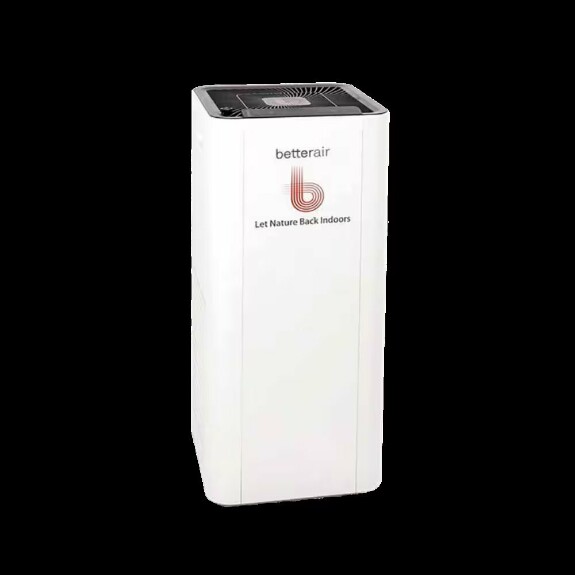
EnviroBiotics vs. Ionizers and Ozone Generators
Ionizers and ozone generators are among the most controversial air purifiers on the market. Ionizers charge particles so they stick to surfaces or each other and fall out of the air. The problem is that they do not kill or remove the particles. They just relocate them to your walls and furniture. Ozone generators intentionally produce ozone, a lung irritant, to chemically react with pollutants. The California Air Resources Board and the EPA have both warned against ozone generators for residential use. EnviroBiotics could not be more different. It releases no ozone, uses no high voltage, and produces no chemical byproducts. It introduces living, beneficial bacteria that actively manage your indoor ecosystem. In terms of safety, EnviroBiotics wins decisively. In terms of effectiveness for biological contaminants, EnviroBiotics also wins. The only area where ionizers might be preferable is for non-biological particles like smoke, and even then, a HEPA filter is safer and more effective. Most experts recommend avoiding ionizers and ozone generators entirely. EnviroBiotics is a safe, effective alternative.
EnviroBiotics vs. UV Air Purifiers
UV air purifiers use ultraviolet light to damage the DNA of microbes that pass directly in front of the lamp. They are effective in controlled settings like hospital water treatment or laboratory biosafety cabinets. In a home, however, UV purifiers have significant limitations. The air must pass slowly enough and close enough to the lamp for sufficient exposure, which rarely happens in a typical HVAC system or portable unit. UV does nothing for surface contamination. And the lamps require annual replacement to remain effective. EnviroBiotics takes a different approach. Instead of trying to kill microbes one by one as they float past a lamp, it releases probiotics that colonize surfaces and outcompete harmful microbes continuously. For surface mold, bacteria, and allergens, EnviroBiotics is far more effective. For airborne pathogens in a duct system, UV may have a role, but for most residential applications, probiotics offer better coverage and lower maintenance. UV also produces no ozone in most cases, so it is safer than ionizers, but it still cannot match the surface-level protection of probiotics.
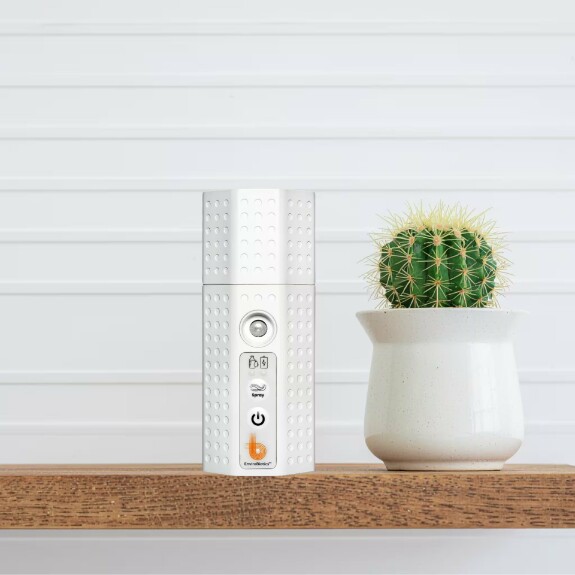
EnviroBiotics vs. Activated Carbon Filters
Activated carbon filters are not really competitors to EnviroBiotics because they solve a completely different problem. Carbon filters adsorb gases, odors, and volatile organic compounds. They are excellent for removing cooking smells, chemical off-gassing from new furniture, and smoke odors. EnviroBiotics does nothing for gases or chemical odors. It is designed specifically for biological contaminants, mold, bacteria, dust mites, and the musty smells they produce. If your problem is a chemical smell from new carpet or paint, EnviroBiotics will not help. You need activated carbon. If your problem is a musty smell from mold, EnviroBiotics addresses the source while carbon only adsorbs the odor temporarily. The two technologies work beautifully together. Use activated carbon for chemical gases. Use EnviroBiotics for biological management. Many homes need both. They are not alternatives. They are different tools for different jobs.
When to Choose EnviroBiotics Over Other Brands
Given the category breakdown, when should you specifically choose EnviroBiotics over a HEPA filter, UV light, or ionizer? Choose EnviroBiotics when your primary indoor air problems are biological. Mold growth on surfaces. Musty smells that return after cleaning. Persistent pet odors. Allergies that seem to come from inside your home rather than from outdoor pollen. Dust mite sensitivity. Choose EnviroBiotics when you want to avoid harsh chemicals and ozone. Choose EnviroBiotics when you are tired of the endless cycle of cleaning and filtering and want a set-it-and-forget-it solution that works continuously. Choose EnviroBiotics when you want to address surface contamination, which most other technologies ignore entirely. Do not choose EnviroBiotics if your only problem is seasonal pollen from outdoors, smoke particles from a nearby fire, or chemical odors from new furniture. For those issues, HEPA filters and activated carbon are better choices. The best air purifier is not a single brand. It is the right tool for your specific problem. For biological surface contamination, EnviroBiotics has no direct competitor. That is not marketing hype. That is a category breakdown.