
Сто дней после детства / One Hundred Days After Childhood
Новая рубрика на канале - Про кино
Я, как заядлый любитель кинематографа, буду делиться с вами ссылками и даже некоторым анализом просмотренных фильмов.
New section on the channel - About Cinema
I, as an avid movie fan, will share with you links and even some analysis of the films I have watched.
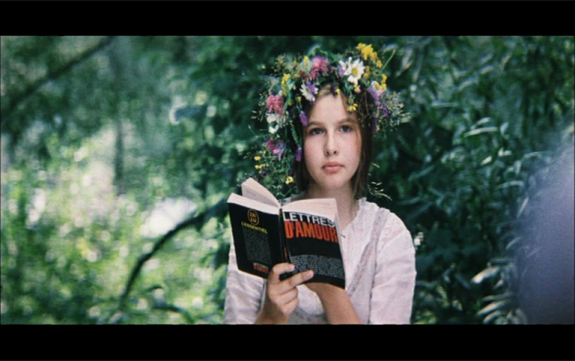
Сто дней после детства - фильм, созвучный моим исследованиям в области пионерских организаций, а точнее детских летних лагерей, а по времени - с найденным архивом под названием Фототека N1.
One Hundred Days After Childhood is a film consonant with my research in the field of pioneer organizations, or rather children's summer camps, and in time - with the found archive under the name Photo Library N1.

Впервые я увидела фильм еще в детстве, но пересмотрев его снова, осознала, что чем старше я становлюсь, тем более пронзительным он становится.
I first saw the film as a child, but after watching it again, I realized that the older I get, the more poignant it becomes.

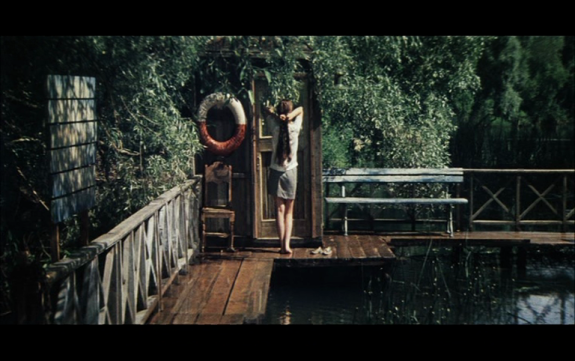
Режиссер Сергей Соловьев создал в своем фильме некий затерянный рай в виде пионерского лагеря, построенного на руинах старинной дворянской усадьбы где-то в провинциальной глубинке.
The director Sergei Solovyov, created in his film a kind of lost paradise in the form of a summer camp built on the ruins of an ancient noble estate somewhere in the Russian outback.
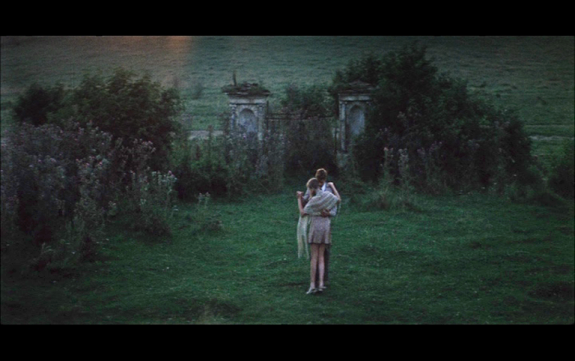
Лирическая атмосфера напоминает романы Тургенева (Соловьев в своих кинопроектах всегда обращается к русской литературной классике), но повествование он связывает через фигуру Лермонтова и цитирует стихи, написанные поэтом в 14 лет.
The lyrical atmosphere is reminiscent of Ivan Turgenev' novels (Soloviev always refers to Russian literary classics in his film projects), but he connects the narrative through the figure of Lermontov and quotes poems written by the poet at the age of 14.
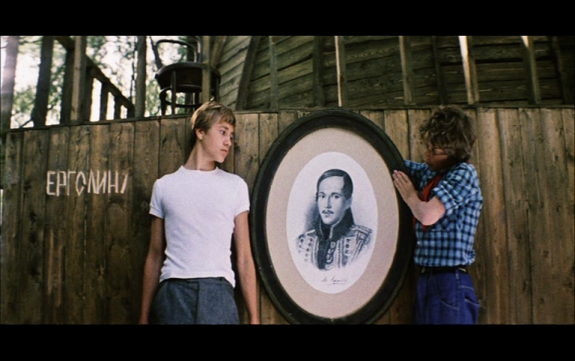
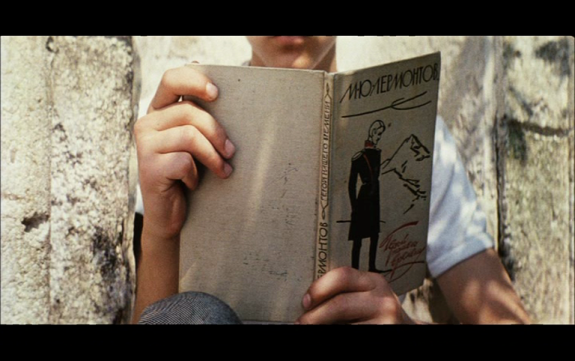
А во время постановки спектакля «Маскарад» на сцене разворачивается целая гамма чувств и эмоций.
And during the performance of the play "Masquerade" a whole gamut of feelings and emotions unfolds on the stage.
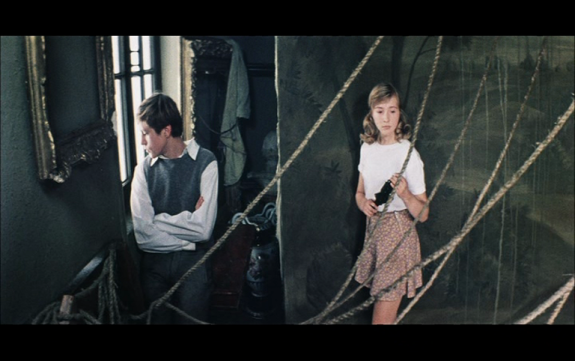

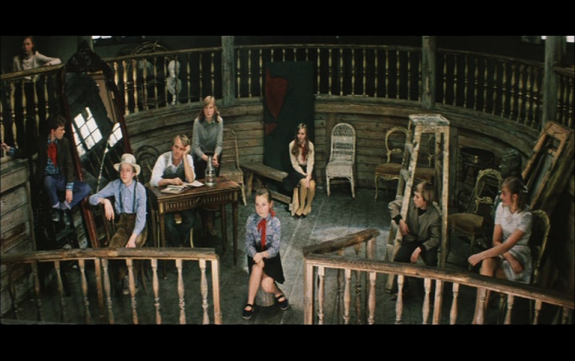
В фильме затрагивается несколько временных пластов:
⦾ современность (на тот момент 1974 г.)
⦾ атмосфера бывшей дворянской усадьбы переносит нас в конец 19 века
⦾ драма Лермонтова «Маскарад» рассказывает о петербургском обществе 1830-х гг.
The film touches upon several time layers:
⦾ Modernity (at that time 1974)
⦾ The atmosphere of the former noble estate takes us to the end of the 19th century
⦾ Lermontov's drama "Masquerade" tells about the St. Petersburg society of the 1830s.

«Маскарад» Лермонтова — драма в четырех действиях. Сергей Соловьев также делит свой фильм на несколько частей (актов), каждому из которых дается название: «Эпилог», «Кто есть кто», «Белый камень», «Мизантроп», «Маскарад. Акт второй», «Бессонница. Середина лета», «Компот из вишни», «Подвижные игры на свежем воздухе», «Неожиданный ливень. Август», «Пролог».
Lermontov's "Masquerade" is a drama in four acts. Sergei Solovyov also divides his film into several parts (acts), each of which is given a title: "Epilogue", "Who's Who", "White Stone", "Misanthrope", "Masquerade. Act II”, “Insomnia. Midsummer”, “Cherry compote”, “Outdoor games in the open air”, “Unexpected downpour. August", "Prologue".
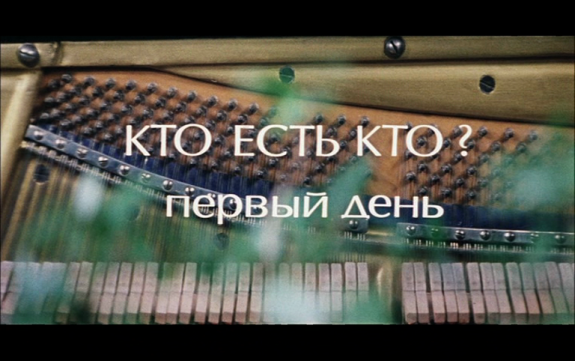
Я обращаю внимание на построение фильма, потому что такие же приемы могут быть использованы и при работе над фотокнигой - ее тоже можно делить на главы, давая каждой подзаголовок.
I pay attention to the construction of the film, because the same techniques can be used when working on a photobook - it can also be divided into chapters, giving each subtitle.
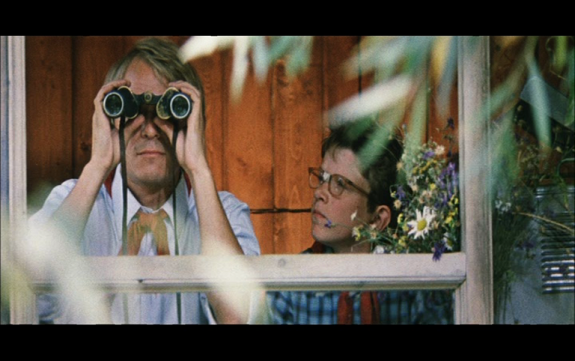
Затем, глядя в бинокль глазами персонажа - пионервожатого Сергея, режиссер (Сергей Соловьев) знакомит нас со всеми персонажами фильма.
Если вы видели "Королевство полной луны" Уэса Андерсона, то вспомните, как и я, главную героиню - девочку, которая не расстается с биноклем. Интересно, Уэс Андерсон вдохновлялся фильмом «Сто дней после детства»?
Then, looking through binoculars through the eyes of a character - pioneer leader Sergei, the director (Sergey Solovyov) introduces us to all the characters in the film.
If you've seen Wes Anderson's Moonlight Kingdom, which also takes place at a summer camp, remember, like me, the character with the binoculars. I wonder if Wes Anderson was inspired by the movie "One Hundred Days After Childhood"?
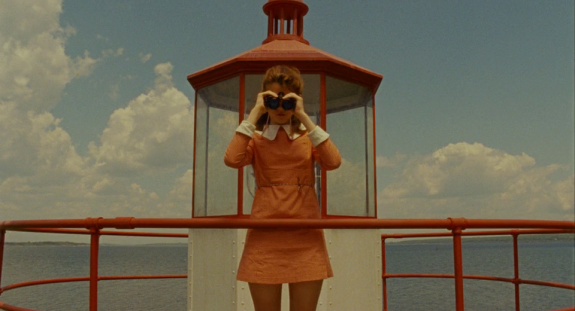
Moonlight Kingdom by Wes Anderson

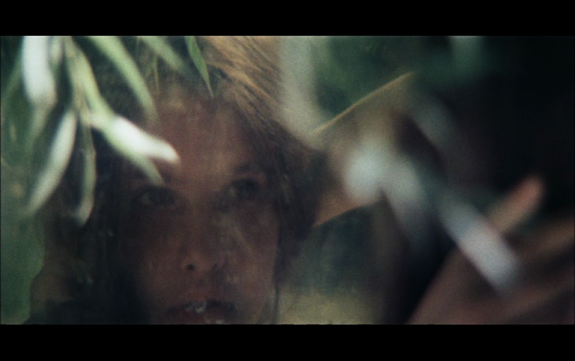
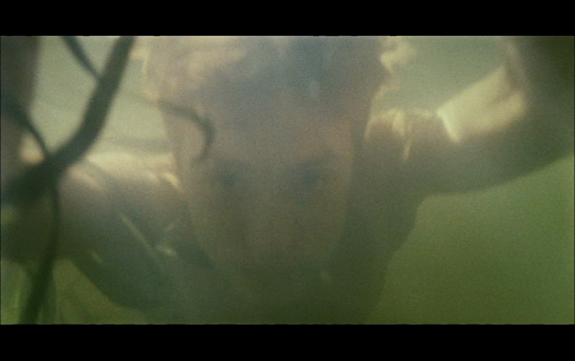
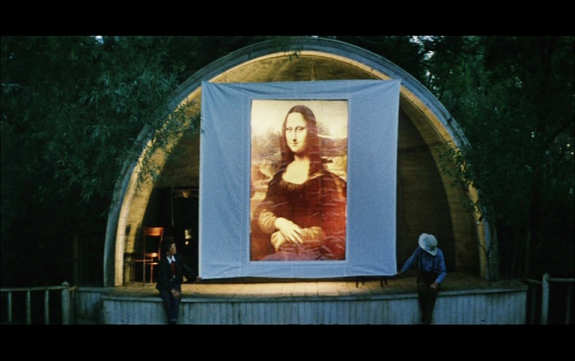
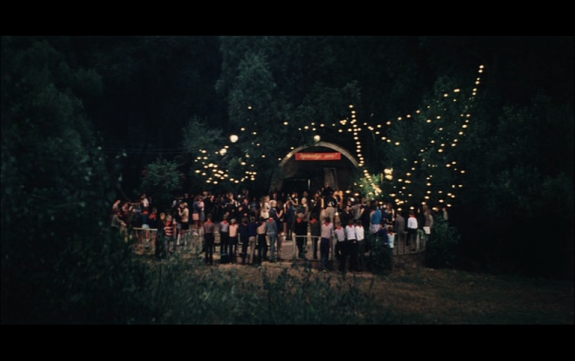
Мир подростков, как он показан в фильме, похож на сон. Летний лагерь — это безопасная и волшебная гавань, где происходит переход от юности к взрослой жизни. В увядающем «дворянском гнезде», пропитанном поэзией, рождаются новые чувства. Они появляются так же постепенно, как лицо Моны Лизы, проецируемое на натянутую простыню для слайд-шоу. Глядя на Мону Лизу, дети пытаются разгадать загадки, стоящие за ней, и через это понимание найти путь к своим чувствам.
The teenage world, as it is shown in the film, is like a dream. Summer camp is a safe and magical haven where the transition from adolescence to adulthood takes place. In the fading "noble nest", saturated with poetry, new feelings are born. They appear as gradually as the Mona Lisa's face projected onto a stretched sheet for a slideshow. Looking at the Mona Lisa, children try to unravel the mysteries behind it, and through this understanding find a way to their feelings.

Если вы не видели «Сто дней после детства», посмотрите этот фильм на YouTube.
If you want to see Sergei Solovyov's "One Hundred Days After Childhood", watch this movie on YouTube
research
pioneers
inspiration
movie


