
Which Kumano Kodo Route Should You Choose? A Complete Trail Guide
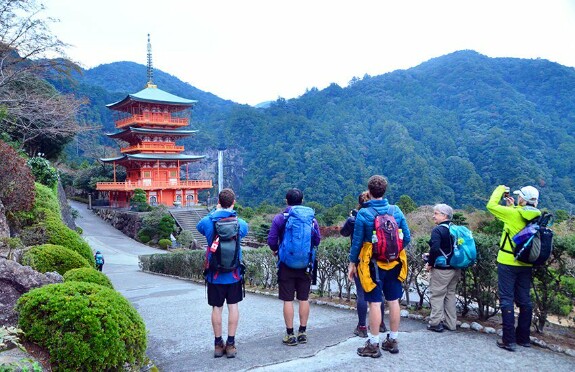
If you want the best all-around Kumano Kodo experience, Nakahechi is usually the best choice, especially for first-time pilgrims. It has the strongest infrastructure, clear signage, accommodation options, and direct access to the three Grand Shrines of Kumano. Experienced hikers may prefer Kohechi, while Iseji and Ohechi are better for coastal scenery and longer, more specialized journeys.
The right trail depends on your hiking experience, available time, scenery preferences, and interest in pilgrimage history. Choosing the route before planning accommodation and transport can make the journey much easier.
What Is the Kumano Kodo?
The Kumano Kodo Trail is a network of ancient pilgrimage routes across Japan's Kii Peninsula leading toward the sacred Kumano region. Together with sacred sites including Kumano Sanzan and Koyasan, these routes form part of the UNESCO World Heritage property Sacred Sites and Pilgrimage Routes in the Kii Mountain Range. UNESCO identifies approximately 307 km of pilgrimage routes within the World Heritage property.
What Makes the Kumano Kodo Special?
The trails combine mountain hiking, traditional villages, forests, shrines, temples, and centuries of religious history. The pilgrimage tradition reflects an important fusion of Japanese Shinto nature worship and Buddhism.
The Kumano Kodo is not one single trail. It is a network of historic routes, with Nakahechi, Kohechi, Ohechi, and Iseji being the main routes most relevant to modern hikers. UNESCO also recognizes the Koya Sankeimichi and other pilgrimage components.
Definition Box — What is the Kumano Kodo?
The Kumano Kodo is a historic network of pilgrimage trails across Japan's Kii Peninsula. The routes connect sacred destinations around Kumano and Koyasan and pass through forests, mountain villages, coastal landscapes, shrines, and traditional pilgrimage sites. Several routes form part of a UNESCO World Heritage cultural landscape.
The Kumano Kodo is a historic network of pilgrimage trails across Japan's Kii Peninsula. The routes connect sacred destinations around Kumano and Koyasan and pass through forests, mountain villages, coastal landscapes, shrines, and traditional pilgrimage sites. Several routes form part of a UNESCO World Heritage cultural landscape.
Which Kumano Kodo Route Should You Choose?
For most travelers, Nakahechi is the easiest route to recommend because it combines historical significance with relatively developed hiking infrastructure.
However, each route offers a very different experience:
Route
Best For
Difficulty
Typical Experience
Nakahechi
First-time hikers
Moderate–challenging
Forests, shrines, villages
Kohechi
Experienced hikers
Challenging
Remote mountains and high passes
Ohechi
Coastal scenery
Variable
Pacific Ocean and coastal villages
Iseji
Long-distance travelers
Variable
Ise Jingu, mountains and coastline
The official Tanabe City Kumano Tourism Bureau describes Nakahechi as the core route and notes its developed infrastructure, while Kohechi is specifically recommended for experienced walkers.
Why Is Nakahechi the Best Choice for Beginners?
Nakahechi is the classic choice for first-time Kumano Kodo hikers.
The route begins around Tanabe on the western side of the Kii Peninsula and travels through the mountains toward the Kumano Grand Shrines. Historically, it was the principal pilgrimage route used by pilgrims traveling from Kyoto and western Japan.
Another advantage is practical: buses connect important areas, accommodation is available in villages along the route, and the region has developed English-language signage, maps, and luggage shuttle services.
How Difficult Is Nakahechi?
Nakahechi should not be mistaken for an easy countryside walk. It is a mountain route with substantial climbs.
For example, the approximately 17-km section from Takijiri-oji to Tsugizakura-oji takes around 7–10 hours and has approximately 1,260 meters of elevation gain.
The shorter Takijiri-oji-to-Takahara section is approximately 4 km and takes about 2–3 hours, making it useful for hikers who want to experience part of the route rather than completing a long stage immediately.
What Is the Kohechi Route?
Kohechi is the route for hikers who want a more remote and demanding mountain pilgrimage.
It connects Koyasan and Kumano Hongu Taisha through the center of the Kii Peninsula. The route is more than 65 km long and includes four passes above 1,000 meters. The official tourism bureau describes it as a route for experienced walkers.
Why Choose Kohechi?
Choose Kohechi if you:
- Have strong mountain-hiking experience
- Prefer quieter and more isolated trails
- Want to combine Koyasan with Kumano
- Enjoy significant elevation changes
- Are comfortable with limited transportation and facilities
The standard journey takes about four days, with overnight stops around Omata, Miura-guchi, Totsukawa Onsen, and the Hongu area.
The difficulty ratings illustrate the challenge. The Omata-to-Miura-guchi section is approximately 19 km, takes around eight hours, and is rated difficulty 5 by the local tourism bureau.
What Is the Ohechi Route?
Ohechi is the coastal Kumano Kodo route.
It follows the southwestern coast of the Kii Peninsula between the Tanabe area and Nachi, offering a very different landscape from the forest-dominated Nakahechi. Historically, the route was used for both pilgrimage and travel, and its coastal scenery attracted writers and poets during Japan's Edo period.
Who Should Choose Ohechi?
Ohechi can be a strong choice if your priorities include:
Ocean views: The route provides opportunities to experience the Pacific coastline.
Coastal villages: The trail passes through smaller settlements and traditional coastal areas.
A different Kumano experience: Instead of focusing primarily on mountain forests, Ohechi combines pilgrimage history with coastal scenery.
One important consideration is logistics. Signage varies in some sections, and public transportation becomes limited away from the train line.
Current planning note: As of September 2026, the official Kumano tourism information reports an extended closure between Wabuka Station and Tako Station, estimated from June 8, 2026, through April 30, 2027, because of expressway construction. Travelers should check current detours before planning an Ohechi itinerary.
What Is the Iseji Route?
Iseji is the eastern coastal route connecting Ise Jingu with the Kumano Sanzan.
At approximately 170 km, it is one of the longer options. The complete route can take roughly one to two weeks, although many individual sections work well as day hikes because trailheads are often accessible from train stations.
What Can You See on Iseji?
Iseji offers a combination of:
- Ise Jingu and its surrounding cultural landscape
- Mountain passes
- Historic cobblestone sections
- Fishing villages
- Coastal scenery
- Beaches
- Terraced rice fields
The route is generally divided into northern, central, and southern sections. The central section is particularly popular because of its combination of mountain passes, historic paths, and coastal landscapes.
How Do You Choose the Right Kumano Kodo Route?
Start by answering five practical questions:
1. How Much Time Do You Have?
If you only have a few days, Nakahechi offers particularly flexible options. You can complete selected sections rather than committing to a long-distance route.
Iseji, by comparison, is approximately 170 km and can take one to two weeks in its entirety.
2. How Experienced Are You at Hiking?
Beginners should generally consider Nakahechi, while experienced mountain hikers may enjoy Kohechi.
Remember that even Nakahechi includes substantial climbs. Your normal hiking ability matters more than simply looking at the total distance.
3. What Scenery Do You Prefer?
Choose based on your preferred environment:
- Forests and sacred sites: Nakahechi
- High mountains and solitude: Kohechi
- Pacific coastline: Ohechi
- Coast, mountains and Ise Jingu: Iseji
4. How Important Is Transportation?
Nakahechi generally has the strongest infrastructure for independent travelers, including buses, accommodation areas, signage, maps, and luggage-shuttle services.
Kohechi requires more careful logistical planning because parts of the route are isolated and have limited facilities.
5. Do You Want a Complete Pilgrimage or a Short Hike?
You do not have to walk an entire route.
The official Kumano tourism information provides options ranging from short walks to week-long treks.
That makes it possible to build a Kumano Kodo experience around your available time rather than forcing your schedule around the entire historic network.
What Are the Best Kumano Kodo Sections for First-Time Hikers?
If you are visiting for the first time, consider Nakahechi and build your itinerary around manageable sections.
The Takijiri-oji to Takahara section is approximately 4 km and takes about 2–3 hours, although it includes a meaningful climb.
For a longer experience, the official tourism bureau also outlines a two-day walk from Takijiri-oji toward Kumano Hongu Taisha, with an overnight stay in the Chikatsuyu area.
Another useful short section is Dainichi-goe, linking Kumano Hongu Taisha with Yunomine Onsen. It is approximately 2 km, takes 1–2 hours, and has a difficulty rating of 2.
What Are the Benefits of Hiking the Kumano Kodo?
The appeal goes beyond physical exercise.
Cultural Experience
The routes connect travelers with shrines, temples, historic pilgrimage sites, and traditional communities. The wider Kii Mountain cultural landscape represents more than 1,200 years of religious tradition.
Natural Scenery
Depending on the route, you can experience dense forests, mountain passes, waterfalls, rivers, rice terraces, villages, and Pacific Ocean views.
Flexible Travel
You can undertake a multi-day pilgrimage, select individual sections, or combine hiking with cultural sightseeing.
Personal Challenge
Several sections involve serious elevation gain. Completing a demanding stage can therefore become both a physical and personal achievement.
What Are the Common Kumano Kodo Mistakes People Make?
One of the biggest mistakes is planning by distance alone.
A 15-km mountain stage can be dramatically more demanding than a 15-km flat walk. The official route information provides walking times and elevation data precisely because distance does not tell the entire story.
Other common mistakes include:
- Booking accommodation too late
- Underestimating elevation gain
- Assuming every section has frequent transportation
- Carrying unnecessary weight
- Ignoring weather conditions
- Failing to check temporary closures and detours
- Treating the trail like an ordinary city walk
Rain also deserves particular attention. The local tourism bureau specifically advises hikers to prepare for wet conditions because the Kumano region receives substantial precipitation.
How Can Beginners Get Started?
A simple approach works best.
Step 1: Decide how many hiking days you have.
Step 2: Choose Nakahechi if you want the most straightforward introduction.
Step 3: Select individual stages based on distance, elevation gain, and your hiking ability.
Step 4: Reserve accommodation in advance, particularly in small villages.
Step 5: Check current transportation, trail conditions, closures, and detours before departure.
Step 6: Pack for mountain weather rather than relying on the season alone.
Step 7: Allow extra time for rest, photography, shrines, villages, and unexpected delays.
The official Kumano Kodo map resources provide route maps for Nakahechi, Kohechi, Ohechi, and Iseji, along with accommodation and access information.
Expert Tips for a Better Kumano Kodo Experience
Don't Chase Distance
A slower itinerary often creates a better pilgrimage experience. Give yourself time to enjoy the forests, shrines, villages, and traditional accommodations.
Check Elevation Profiles
Before selecting a stage, examine both distance and elevation gain. This is particularly important on Nakahechi and Kohechi.
Plan Transportation in Advance
Remote sections may have limited buses. Check schedules before committing to an itinerary rather than assuming you can simply catch another bus later.
Check Official Trail Updates
Trail conditions can change because of landslides, construction, weather, or maintenance. The official tourism bureau currently publishes closure and detour information, making it an important source immediately before departure.
Consider a Shorter Route
Completing part of the Kumano Kodo is still a legitimate way to experience the network. There are official suggested walks ranging from very short hikes to week-long journeys.
What Is a Realistic Example for a First Trip?
Imagine a traveler has three hiking days, moderate fitness, and no experience with Japanese mountain trails.
Nakahechi would be the logical starting point. Rather than attempting the most difficult sections, the traveler could begin around Takijiri-oji, spend the first day walking toward the Chikatsuyu area, continue toward the Hongu area, and leave sufficient time for transportation and sightseeing.
This approach follows the established infrastructure of Nakahechi while avoiding the greater logistical demands of Kohechi. The official tourism bureau itself highlights Nakahechi's accommodation, transportation, signage, and luggage-shuttle infrastructure.
An experienced mountain hiker with a longer schedule could instead choose Kohechi and connect Koyasan with Kumano, accepting steeper climbs, higher passes, and more isolated sections as part of the adventure.
Frequently Asked Questions About Kumano Kodo Routes
Which Kumano Kodo route is best for beginners?
Nakahechi is generally the best starting point for beginners. It is the core pilgrimage route and has comparatively developed infrastructure, including accommodation, transportation, signage, maps, and luggage-shuttle services. However, it remains a mountain trail, so beginners should prepare for significant climbs.
Which Kumano Kodo route is the hardest?
Kohechi is one of the most demanding choices. It contains four passes above 1,000 meters along a route of more than 65 km and includes isolated sections with limited facilities. The official tourism bureau recommends it for experienced walkers.
How many days do you need for the Kumano Kodo?
It depends on the route and sections you choose. You can hike individual sections as day trips or plan a multi-day pilgrimage. Kohechi's standard journey takes about four days, while completing the approximately 170-km Iseji can take one to two weeks.
Can beginners hike the Kumano Kodo?
Yes. Beginners can hike selected Kumano Kodo sections, particularly on Nakahechi, provided they prepare appropriately. Shorter stages are available, but hikers should not underestimate the terrain, elevation gain, rain, or mountain conditions.
Is the Kumano Kodo a UNESCO World Heritage Site?
The Kumano Kodo's pilgrimage routes form part of the UNESCO World Heritage property Sacred Sites and Pilgrimage Routes in the Kii Mountain Range. The property recognizes the interconnected sacred sites, pilgrimage routes, and surrounding cultural landscape of the Kii Mountains.
Is Nakahechi or Iseji better?
It depends on your priorities. Nakahechi is better for a classic pilgrimage experience and access to the Kumano Grand Shrines, while Iseji is better if you want to connect Ise Jingu with Kumano and experience a longer eastern coastal route. Iseji is approximately 170 km in total.
Can you hike only part of the Kumano Kodo?
Yes. The network can be experienced through individual sections and day hikes as well as longer pilgrimages. Official suggested walks include options ranging from short walks to week-long treks.
Do you need to be an experienced hiker?
Not necessarily, but you should choose your route carefully. Nakahechi offers the most accessible introduction, while Kohechi requires stronger mountain-hiking experience. Always consider elevation gain, walking time, weather, transportation, and your own fitness rather than distance alone.
Final Verdict: Which Kumano Kodo Trail Should You Choose?
For most first-time visitors, choose Nakahechi. It provides the strongest combination of pilgrimage history, mountain scenery, access to Kumano's Grand Shrines, accommodation, transportation, and practical support.
Choose Kohechi if you are an experienced mountain hiker seeking solitude and challenging passes. Choose Ohechi for coastal landscapes, and Iseji if you want a longer pilgrimage connecting Ise Jingu and Kumano.
Most importantly, choose according to your fitness, available time, desired scenery, and tolerance for remote travel. The best Kumano Kodo route is not necessarily the longest—it is the one that fits your journey.

seo man
Amaze! Just what exactly watch opener the following posting is to do. Significantly prized, saved as a favorite, I actually can’t bide time until extra! <a href="https://www.amazon.com/dp/B0C5L7ZYK3">bride gifts</a>
Sep 05 16:14
seo man
It's which means that amazing together with inspiring. We really enjoy any designs together with whoever should get it all during the post shall be grinning. <a href="https://guerrerosdelahistoria.com/">situs togel</a>
Sep 07 14:01
seo man
Really good write-up, Appreciate it intended for giving That expertise. Excellently published document, but only if many blog writers made available identical higher level of information since you, the online world is a significantly better area. You need to thanks! <a href="https://h789.org.pk/">h789apk</a>
Sep 10 15:46