
Langtang Trek and Tamang Heritage Trail Trek: A Journey into Nepal’s Living Himalayan Culture
Nepal is globally renowned for its towering Himalayan peaks, legendary trekking routes, and deeply rooted mountain cultures. While Everest and Annapurna often dominate conversations, the Langtang trek and the Tamang Heritage Trail trek offer an equally rewarding yet less crowded experience. These two trekking routes, located north of Kathmandu near the Tibetan border, combine dramatic alpine scenery with authentic cultural immersion.
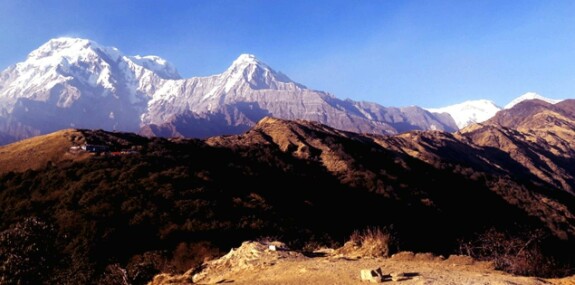
For travelers seeking a trek that blends natural grandeur with meaningful local interaction, the Langtang trek and Tamang Heritage Trail trek stand out as exceptional choices.
Overview of the Langtang Trek
The Langtang trek is one of Nepal’s most accessible Himalayan adventures. Located within the beautiful Langtang National Park, this trek offers dramatic mountain views, glaciers, alpine meadows, and traditional villages—all within a relatively short distance from Kathmandu.
Scenic Beauty and Natural Diversity
The Langtang Valley is often referred to as the “Valley of Glaciers.” The trek follows the Langtang River through dense forests of rhododendron, oak, and bamboo. As the trail ascends, subtropical vegetation gradually gives way to alpine landscapes.
Trekkers are rewarded with panoramic views of peaks such as:
- Langtang Lirung (7,227 m)
- Dorje Lakpa
- Gangchempo
The highlight of the Langtang trek is reaching Kyanjin Gompa, a serene Buddhist monastery surrounded by towering Himalayan peaks. Many trekkers also hike up to Tserko Ri for breathtaking sunrise views over the Langtang range.
Cultural Experience Along the Langtang Trek
The Langtang region is home to Tamang and Tibetan-influenced communities. Their culture reflects centuries of trade and migration across the Himalayan borderlands. Colorful prayer flags, stone mani walls, spinning prayer wheels, and traditional yak herding practices create a culturally immersive atmosphere.
After the devastating 2015 earthquake, the Langtang Valley demonstrated remarkable resilience. Today, trekking here directly supports local communities rebuilding their lives through sustainable tourism.
Overview of the Tamang Heritage Trail Trek
While the Langtang trek emphasizes alpine scenery, the Tamang Heritage Trail trek focuses primarily on culture, tradition, and community-based tourism. This route was developed to showcase the unique heritage of the Tamang people, one of Nepal’s indigenous Himalayan ethnic groups.
Cultural Immersion at Its Finest
The Tamang Heritage Trail trek takes travelers through traditional villages such as:
- Gatlang
- Briddim
- Tatopani
In these villages, visitors stay in homestays rather than commercial lodges. This allows trekkers to experience authentic Tamang hospitality, traditional meals, and daily rural life.
The Tamang people have strong Tibetan cultural roots, reflected in their architecture, monasteries, dress, and language. During the Tamang Heritage Trail trek, you may witness traditional dances, local festivals, and age-old craftsmanship.
Natural Attractions Along the Trail
Though less high-altitude than the Langtang trek, the Tamang Heritage Trail trek still offers magnificent mountain views, including Ganesh Himal and Langtang ranges. The trail also includes natural hot springs at Tatopani, where trekkers can relax after long hiking days.
Terraced fields, pine forests, and peaceful hilltop villages create a gentle yet captivating landscape.
Comparing Langtang Trek and Tamang Heritage Trail Trek
Both treks are located in the same broader region but offer distinct experiences.
1. Difficulty Level
- Langtang trek: Moderate difficulty, with higher altitude gain. Suitable for trekkers with basic fitness and some hiking experience.
- Tamang Heritage Trail trek: Moderate but generally lower altitude. Ideal for those focused on cultural exploration rather than reaching high alpine points.
2. Scenic Focus
- The Langtang trek emphasizes glaciers, snow peaks, and high-altitude landscapes.
- The Tamang Heritage Trail trek centers on rolling hills, village life, and cultural immersion.
3. Accommodation Style
- Langtang trek: Primarily teahouse-based trekking.
- Tamang Heritage Trail trek: Homestay-focused, offering direct engagement with Tamang families.
4. Trek Duration
- Langtang trek: Typically 7–10 days.
- Tamang Heritage Trail trek: Around 6–8 days.
Many trekkers combine both routes into one extended journey for a comprehensive Himalayan experience.
Why Choose the Langtang Trek?
The Langtang trek is perfect for travelers who want:
- Dramatic Himalayan mountain views
- A relatively short yet rewarding trek
- Moderate altitude adventure
- Wildlife encounters (red pandas, Himalayan tahr)
- Glacial landscapes and alpine meadows
Its accessibility from Kathmandu makes it an excellent choice for those with limited time but high expectations.
Why Choose the Tamang Heritage Trail Trek?
The Tamang Heritage Trail trek is ideal for those who value:
- Authentic cultural immersion
- Community-based tourism
- Traditional village experiences
- Lower trekking crowds
- Homestay accommodation
If your primary goal is understanding Nepal’s living mountain culture rather than conquering altitude, this trek provides an enriching alternative.
Best Time for Langtang Trek and Tamang Heritage Trail Trek
Both treks share similar seasonal patterns.
Spring (March–May)
- Blooming rhododendron forests
- Clear mountain views
- Moderate temperatures
Autumn (September–November)
- Stable weather
- Crisp mountain panoramas
- Peak trekking season
Winter is possible but colder, especially for the Langtang trek. The monsoon season (June–August) brings heavy rainfall and slippery trails.
Responsible Trekking in the Langtang Region
Sustainable tourism is crucial in preserving both the environment and cultural integrity of the region. Trekkers should:
- Respect local customs and monasteries
- Avoid plastic waste
- Use local guides and porters
- Support community-based lodges and homestays
Choosing the Langtang trek or the Tamang Heritage Trail trek contributes directly to local livelihoods and economic recovery.
Combining Langtang Trek and Tamang Heritage Trail Trek
For a complete Himalayan adventure, combining both routes offers the best of nature and culture. Starting with the Tamang Heritage Trail trek allows gradual acclimatization and cultural immersion. Continuing toward the Langtang Valley then provides dramatic alpine scenery and higher mountain viewpoints.
This combined itinerary typically spans 12–14 days and delivers:
- Cultural authenticity
- High Himalayan landscapes
- Monastery visits
- Glacier viewpoints
- Hot spring relaxation
Final Thoughts
The Langtang trek and Tamang Heritage Trail trek represent two complementary sides of Nepal’s Himalayan identity. One emphasizes rugged natural beauty and glacial landscapes; the other highlights heritage, hospitality, and living tradition.
Far from the crowded trails of Everest and Annapurna, these routes offer space to reflect, connect, and explore at a deeper level. Whether you seek soaring snow peaks or warm village hospitality, the Langtang trek and Tamang Heritage Trail trek promise an unforgettable journey into the heart of Nepal.
If your goal is more than just reaching a destination—if you wish to understand the people, landscapes, and stories of the Himalayas—then these two treks deserve a place at the top of your adventure list.