
Heat Recovery Solutions for Efficient Fertilizer Plants
Introduction
Heat Transfer Solutions are playing an increasingly important role in helping fertilizer manufacturers improve efficiency and lower operating costs. As energy prices continue to fluctuate and sustainability goals become more demanding, producers are looking for practical ways to optimise existing processes without compromising production quality.
Modern fertilizer plants consume significant amounts of thermal energy during ammonia, urea, and other chemical manufacturing processes. Much of this energy is lost in the form of waste heat. By adopting advanced Heat Transfer Solutions, facilities can recover and reuse this energy, reducing fuel consumption and supporting environmental objectives.
Energy efficiency is no longer viewed purely as a compliance requirement. Across the fertilizer industry, companies are recognising that effective heat recovery systems create long-term operational advantages while contributing to responsible resource management.
Why Energy Consumption Matters in Fertilizer Manufacturing
Fertilizer production is among the most energy-intensive industrial processes. Large amounts of steam and heat are required for chemical reactions, separation stages, and process heating.
As a result, even small improvements in thermal efficiency can lead to considerable savings. Rising energy costs and increasing pressure to reduce emissions have made energy optimisation a strategic priority for manufacturers worldwide.
This is where Heat Transfer Solutions provide measurable benefits. By capturing and reusing thermal energy that would otherwise be wasted, plants can enhance overall process performance and improve profitability.
Understanding Heat Recovery Systems
Heat recovery involves collecting excess heat generated during production and redirecting it to other stages of the process. Instead of allowing valuable energy to escape, it is transferred and reused efficiently.
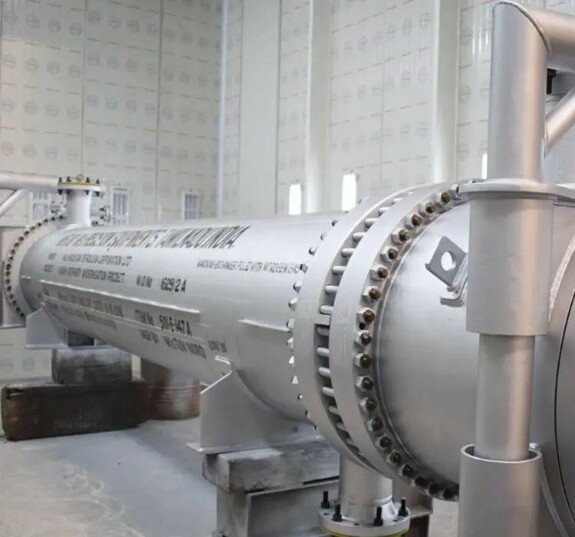
Shell and Tube Heat Exchangers, air pre heaters, condensers, and waste heat recovery units are commonly employed to maximise thermal efficiency. These systems allow heat to move between fluids without mixing, ensuring safe and reliable operation.
Modern Heat Transfer Solutions enable fertilizer plants to make better use of available energy while maintaining stable process conditions.
Applications of Heat Recovery in Fertilizer Plants
Heat Recovery in Ammonia Production
Ammonia plants generate substantial amounts of excess heat. Recovering this thermal energy helps reduce steam demand and improves energy utilisation throughout the facility.
By integrating efficient Heat Transfer Solutions, operators can lower fuel consumption while maintaining production capacity.
Improving Urea Plant Efficiency
Urea manufacturing requires precise temperature control and continuous heat management. Heat recovery systems help optimise these processes and minimise unnecessary energy losses.
Recovered heat can be reused in preheating stages, reducing the burden on primary heating systems and improving plant economics.
Air Pre Heaters for Enhanced Combustion Efficiency
Air pre heaters improve boiler and furnace performance by transferring heat from exhaust gases to incoming combustion air.
This process reduces fuel requirements and contributes to lower emissions. Well-designed air pre heaters are becoming essential components in modern fertilizer facilities seeking greater sustainability.
Key Benefits of Heat Recovery Solutions
Implementing advanced Heat Transfer Solutions provides several operational advantages.
- Reduced Energy ConsumptionRecovering waste heat decreases the amount of fuel required for production processes.
- Lower Operating CostsImproved thermal efficiency translates into long-term financial savings.
- Reduced Carbon EmissionsLess fuel consumption means lower greenhouse gas emissions and improved environmental performance.
- Enhanced Equipment ReliabilityBalanced thermal conditions reduce stress on critical process equipment.
- Improved Process StabilityConsistent heat management supports product quality and operational efficiency.
- Better Resource UtilisationRecovering and reusing energy minimises waste and promotes sustainable manufacturing.
- Support for ESG ObjectivesEfficient operations help companies align with global sustainability targets.
The Role of Shell and Tube Heat Exchangers
Shell and Tube Heat Exchangers remain one of the most reliable technologies for industrial heat recovery. Their robust design makes them suitable for demanding fertilizer applications involving high pressures and temperatures.
These systems offer excellent durability and can handle a wide variety of process fluids. Their versatility makes them a preferred choice for manufacturers seeking dependable Heat Transfer Solutions.
With proper design and maintenance, Shell and Tube Heat Exchangers deliver consistent performance and long service life, helping plants achieve greater energy efficiency.
Digitalisation and Smarter Thermal Management
Industrial facilities are increasingly embracing digital technologies to improve thermal performance. Advanced monitoring systems allow operators to track temperatures, pressure drops, and equipment health in real time.
Predictive maintenance strategies help identify fouling or performance issues before they lead to costly shutdowns. Combining digital tools with effective Heat Transfer Solutions enables fertilizer manufacturers to maximise energy recovery and maintain operational reliability.
These developments are supporting a new generation of smarter and more sustainable process plants.
Sustainability Through Waste Heat Recovery
Sustainability has become a central focus across the process industries. Heat recovery represents one of the most practical approaches for reducing environmental impact while maintaining economic competitiveness.
By converting wasted thermal energy into a valuable resource, fertilizer manufacturers can reduce their dependence on fossil fuels and improve overall efficiency.
Investment in advanced Heat Transfer Solutions supports both business growth and responsible manufacturing practices. As global industries continue to pursue decarbonisation goals, energy-efficient technologies will remain critical to long-term success.
Conclusion
Reducing energy consumption is becoming essential for the future of fertilizer manufacturing. Heat recovery technologies offer a practical and effective way to improve efficiency, lower operating costs, and support sustainability objectives.
Through the adoption of reliable Heat Transfer Solutions, manufacturers can unlock hidden energy savings and strengthen the resilience of their operations. Technologies such as Shell and Tube Heat Exchangers and air pre heaters continue to play a vital role in achieving these goals.
Since 1981, Precision Equipment has been a leading manufacturer and supplier of Shell and Tube Heat Exchangers and process equipment, serving key sectors including Oil & Gas, Petrochemicals, Fertilizers, Power Plants, LNG, and Nuclear Energy. Its long-standing industry experience reflects the importance of dependable thermal technologies in supporting efficient and sustainable industrial operations.
Frequently Asked Questions(FAQs)
What are Heat Transfer Solutions in fertilizer manufacturing?
Heat Transfer Solutions refer to equipment and systems that efficiently transfer thermal energy between process streams. They help reduce energy consumption and improve plant efficiency.
How do heat recovery systems save energy?
Heat recovery systems capture waste heat from industrial processes and reuse it elsewhere in the plant, reducing fuel requirements and lowering operating costs.
Why are Shell and Tube Heat Exchangers widely used in fertilizer plants?
Shell and Tube Heat Exchangers provide excellent reliability, durability, and performance under high-pressure and high-temperature conditions commonly found in fertilizer production.
What is the purpose of an air pre heater?
An air pre heater recovers heat from exhaust gases and uses it to warm incoming combustion air, improving fuel efficiency and reducing emissions.
How do Heat Transfer Solutions contribute to sustainability?
Heat Transfer Solutions reduce energy waste, lower carbon emissions, improve resource utilisation, and support long-term environmental goals.
heat transfer solutions