creator cover Victoria A
Victoria A

Victoria A 

Artist

19subscribers

84posts

goals4
$33.49 of $384 raised
Personally for the author of the blog, for conducting journalistic and volunteer work. Лично автору блога, за ведение волонтёрской деятельности.
$21 of $2 555 raised
Commercial use of my drawings and art for donation (Any amount). Коммерческое использование моих рисунков и артов за донат (Любая сумма).
$0 of $64 raised
To develop a blog about Russia for foreigners. На развитие блога о России для иностранцев.
$0 of $256 raised
For my new music albums. Для моих новых музыкальных альбомов.

About

Hello friends!
My name is Vika 🌺, I am an artist 🎨
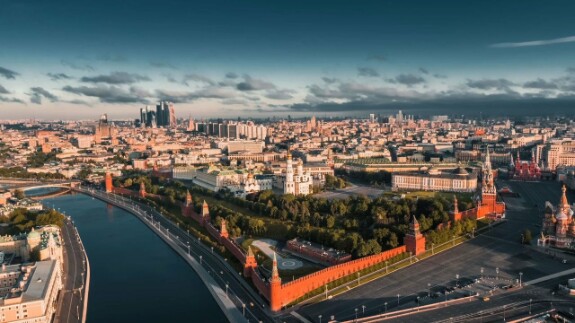
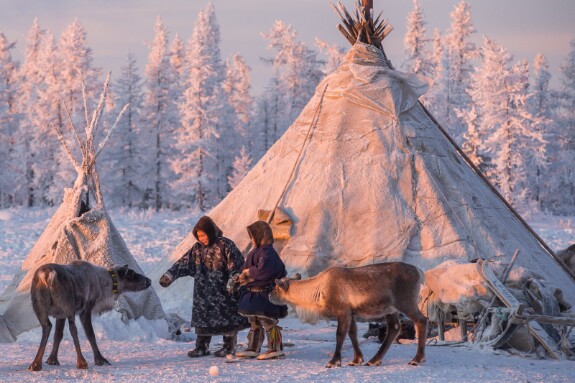
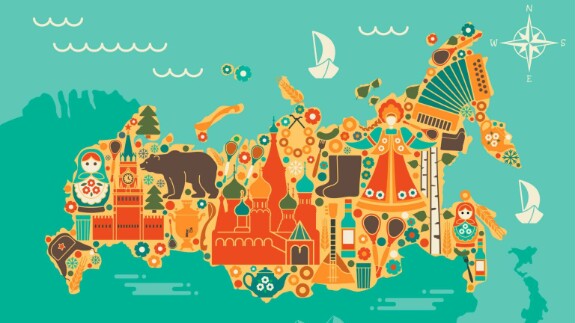
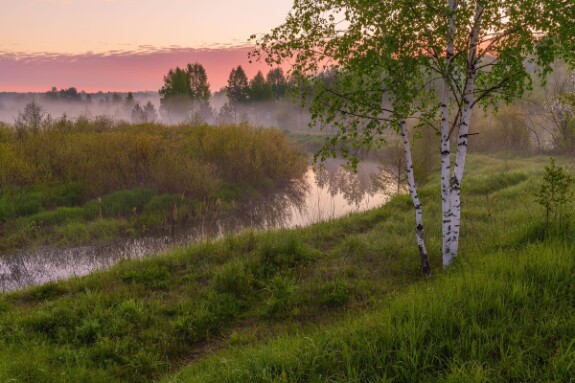
I keep a blog about life in Russia, its culture, achievements, territory and place in the world. Read interesting news by subscription  🐻 📖 🇷🇺 >
Привет, друзья!
Меня зовут Вика 🌺, я художница 🎨
Я веду блог о жизни в России, её культуре, достижениях, территории и месте в мире. Читайте интересные новости по подписке 🐻 📖 🇷🇺 >

How to drink tea in Russia


In Russia, tea is drunk according to certain traditions, but there are no strict rules. Each family or company brews tea in their own way: some scald the teapot with boiling water before adding the leaves, others pour boiling water in several stages, and still others prefer packaged tea for convenience.
Some features of tea drinking in Russia:
Use of tableware: porcelain cups with saucers, a dessert plate for each guest, a teaspoon, a dessert fork, and a knife for each guest.Brewing: The tea leaves were placed in a special teapot, which was placed on a samovar and covered with a cloth doll to keep it warm. The prepared tea was poured into cups, and boiling water was added from the samovar, so that everyone could adjust the strength of the drink. Drinking with sugar: Each person stirred the sugar with their own spoon, and tongs were used for lump sugar. There is a tradition of drinking tea "in-cheek" (with a piece of sugar behind the cheek) or "in-bite" (cutting a piece of sugar into small pieces and slowly eating it like a treat). Snacks: sweet and salty pies, dried fruits, bagels, gingerbread, jam and honey are served with tea.
History
Tea drinking traditions in Russia were formed gradually. The drink, which came from China, quickly gained popularity among the nobility and merchants and eventually penetrated into the homes of ordinary people. In different social strata, there were their own tea drinking traditions:

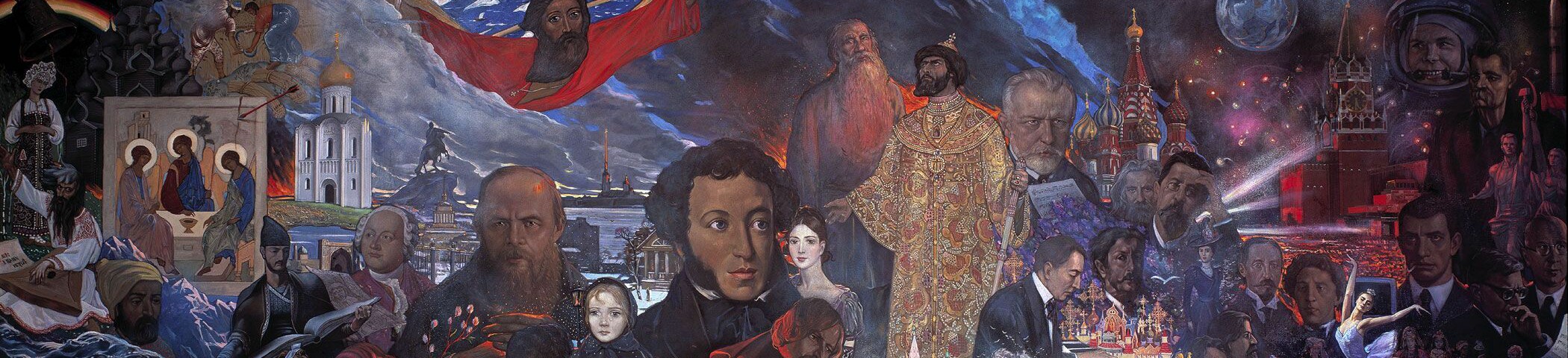
Unusual facts about the central part of Russia


History
The Sungir ancient human settlement near Vladimir. The settlement is about 25,000 years old and was a seasonal hunting camp that was used for two to three thousand years. Today, the site is protected by UNESCO. In the settlement, archaeologists discovered the burial of two boys, aged 12 and 14, as well as an adult bone filled with ochre. vk.comweekend.rambler.ruZarayskaya site is an archaeological monument of the Upper Paleolithic period in the Moscow region. The earliest evidence of ancient human habitation in the area of the current Zaraysky Kremlin dates back to the 21st millennium BC.riamo.ru The Rostov-Suzdal Principality (modern-day Vladimir and Yaroslavl regions) was one of the first centers of the Russian state, where crafts, trade, and culture developed. teacher-pro.ru The Smolensk Principality was a center of ancient Russian culture, an important transportation hub, and an outpost on the western borders of Russia. teacher-pro.ru The Moscow Principality was the birthplace of the future centralized Russian state, which was formed around Moscow. teacher-pro.ru
Nature
The Romantsevsky Mountains in the Tula region are man-made landscapes resulting from open-pit coal mining. Nature has transformed abandoned quarries into fantastic landscapes. Locals refer to this area as "Tula Bali" or "Blue Lakes." The Kamennye Baby Nature Park in the Voronezh region is a natural park with bizarre chalk formations resembling sculptures. Local legends suggest that these formations are petrified women who were punished by the gods for some reason.The sand dunes in the Moscow region are golden sand dunes that stretch for several kilometers. Dwarf plants have even taken root here, which is unusual for the middle zone. The dunes are surrounded by deep turquoise and greenish lakes, and the water resembles the sea. The Polushkinsky quarries in the Moscow region have been mining limestone since the early 20th century, resulting in steep stone cliffs that can reach up to 25-30 meters in height. Each stone wall has its own name: "Dragon's Jaw," "Viper's Cave," and "Outpost."
Unusual facts about the Siberian peoples of Russia
Level required:
Blog about Russia
Unusual facts about the Caucasian peoples
Level required:
Blog about Russia
Unusual facts about the Russian Caucasus
Level required:
Blog about Russia
Unusual facts about Russian gas and oil
Level required:
Blog about Russia
The most unusual corners of Russia
Level required:
Blog about Russia
How to survive the winter in Russia
Level required:
Blog about Russia
The most promising cities in Russia
Level required:
Blog about Russia
The most expensive real estate in Russia
Level required:
Blog about Russia
Subscription levels3

Blog about Russia

$1.92 per month
Blog about culture, nature, people and cities of Russia. Блог о культуре, природе, людях и городах России.

Blog news

$2.56 per month
Blog news. Donation reports. Interesting new facts and more. 
Subscription ≈ 2.5 $ per month
Новости блога. Отчеты о пожертвованиях. Интересные новые факты и прочее.

Regular donation

$12.8 per month
Regular assistance to the fund. Donation ≈ $12 per month. Регулярная помощь фонду - 1 раз в месяц.
Go up