
What to Expect from Global Developmental Delay Therapy
Global developmental delay support focuses on helping a child build important skills across areas such as communication, movement, learning, and social interaction. Each child has different needs, so professionals create personalised plans that consider strengths, challenges, and developmental goals.
Understanding the Developmental Support Journey
When a child experiences delays in reaching expected developmental milestones, families often have questions about what the support process involves. The first step usually includes a detailed assessment to understand the child’s current abilities and areas where extra support may be helpful.
Professionals look at different aspects of development, including speech, motor skills, problem-solving, behaviour, and daily activities. This information helps create a clear plan that supports the child’s progress in a practical and meaningful way.
Early support can make a positive difference because it gives children opportunities to practise skills regularly. Families can also learn strategies to encourage development at home and create a supportive environment for ongoing growth.
What Happens During Assessments and Planning?
A child’s assessment is an important part of understanding their individual needs. Professionals may use observations, discussions with parents, developmental checklists, and skill-based activities to gather information.
The assessment process may explore areas such as:
- Communication skills, including understanding and using language
- Physical skills, including balance, coordination, and movement
- Thinking skills, including attention and problem solving
- Social skills, including interaction and emotional responses
- Everyday abilities, including feeding, dressing, and independence
After reviewing the results, professionals discuss suitable options with families. The goal is not only to identify challenges but also to recognise the child’s abilities and build on existing strengths.
How Support Plans Help Children Develop Skills
Treatment for global developmental delay is usually tailored to the child’s specific needs. There is no single approach that works for every child because development happens differently for everyone.
Support may include different forms of developmental assistance, depending on the areas that require attention. Some children may benefit from communication support, while others may need help with movement, sensory skills, or learning activities.
A personalised plan may focus on:
Building Communication Abilities
Communication support can help children express their needs, understand instructions, and develop stronger interactions with others. Professionals may use activities that encourage listening, language development, and confidence during conversations.
Improving Movement and Coordination
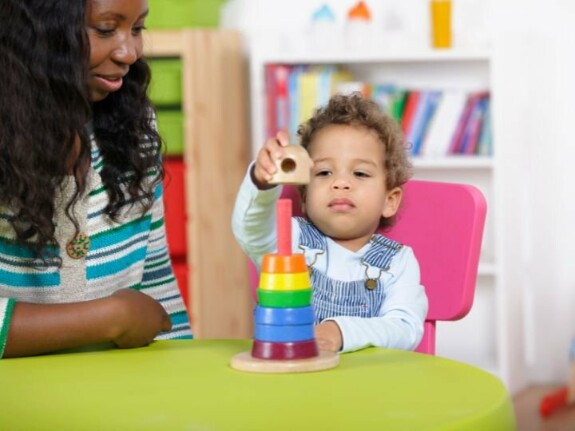
Some children may need support with fine motor skills, balance, or coordination. Activities that involve play, movement, and everyday tasks can help children practise these abilities in a comfortable way.
Supporting Learning and Independence
Children may benefit from structured activities that encourage attention, memory, and problem-solving. Developing independence in daily routines can also improve confidence and participation at home, school, and community settings.
The Role of Families in Developmental Progress
Family involvement is an important part of any developmental support plan. Parents and carers spend the most time with their child, which means they can help reinforce new skills through everyday activities.
Simple strategies can include:
- Creating regular routines
- Encouraging communication during daily tasks
- Allowing time for children to practise new skills
- Celebrating small achievements
- Working closely with professionals
Consistent encouragement helps children feel supported while developing confidence in their abilities. Families can also explore reliable child development resources to better understand developmental needs and practical ways to provide support.
Choosing the Right Support Approach
Finding the right support approach involves considering the child’s individual needs, family goals, and professional recommendations. Families may explore different options and discuss which strategies align best with their child’s development.
The right approach should focus on meaningful progress rather than comparing one child’s development with another. Every child has their own pace, and support should encourage steady improvement while respecting their unique strengths.
Families looking for reliable information can explore trusted educational and developmental resources online to learn more about available support options and ways to work alongside professionals.
What Results Can Families Expect?
Progress can look different for every child. Some children may develop new communication skills, while others may show improvements in movement, learning, confidence, or independence.
Developmental support is often a gradual process that requires patience and consistency. Regular reviews allow professionals and families to adjust strategies as the child grows and their needs change.
The focus is on helping children participate more fully in everyday activities and providing tools that support their continued development.
Summary
Knowing what to expect from treatment for global developmental delay can help families feel more prepared and confident when starting a support journey. A personalised approach allows professionals to focus on each child’s abilities while addressing areas that need extra attention. Exploring global delay development treatment options can provide families with a clearer understanding of available support. With consistent guidance, encouragement, and collaboration, treatment for global developmental delay can help children build important skills and take positive steps towards greater independence.