
Eating Prague Like a Local – The Unfiltered Food Tour Experience & Smart Booking Advice
The Unspoken Truth About Food Tours in the Golden City
Here’s what no glossy brochure tells you: a great Prague food tour will make you slightly uncomfortable at least once. Maybe it’s the texture of tlačenka (head cheese). Maybe it’s the realization that you’ve been eating goulash incorrectly for years. Or maybe it’s the moment your guide points to a cellar door and says, “My grandfather drank here during the Soviet occupation.” That discomfort is the price of authenticity. Embrace it.
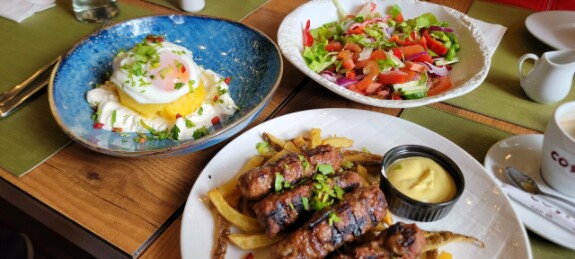
What Your Senses Will Encounter
Taste: Layers of Salt, Smoke, and Sweetness
Czech cuisine is not subtle. You’ll taste:
- Smažený sýr – fried cheese, often Edam or Hermelín, served with tartar sauce. It’s the Czech answer to mozzarella sticks, but elevated.
- Kulajda – a sour cream and dill soup with mushrooms, a poached egg, and sometimes potatoes. Unexpectedly delicate.
- Bramboráky – garlicky potato pancakes, crispy at the edges, often eaten with beer between meals.
- Moravské víno – white wines from the south, especially Grüner Veltliner and Pálava, which pair perfectly with smoked meats.
A quality tour will also include a tasting of aged Czech cheeses – think Oštěpek (smoked sheep cheese) or Romadur (an aggressively pungent soft cheese that locals love and tourists fear).
Smell: Wood Smoke, Hops, and Yeast
You’ll walk through neighborhoods where the air changes: first the sweet bread smell from a bakery, then the acrid tang of cigarette smoke outside a pub doorway, then the clean vegetal scent of a beer cellar’s cool air. These olfactory markers are part of the tour’s unspoken narrative.
Sound: The Clink of Mugs and the Silence of Concentration
Listen carefully. When a Czech pours a beer, the room goes quiet. Pouring is a ritual: tilt the glass, straighten it, skim the foam, top it off. A good tour will teach you to hear the difference between a careless pour (loud, bubbly, flat) and a master pour (soft, creamy, almost silent).
How to Spot an Exceptional Food Tour (Without Reading a Single 5-Star Review)
Review inflation is real. Here’s a different method.
Look for the “Second-Hour Magic”
On a genuinely good tour, the first hour is functional: introductions, first bites, basic history. The second hour is where magic happens. Your guide relaxes. The group bonds over a shared pickle. Someone tells a embarrassing story about their first encounter with utopenci (drowned men – pickled sausages). A stranger buys a round. If the tour itinerary lists “hour two” as something vague like “exploration continues,” that’s fine. But if they script every minute, you’re on a conveyor belt.
The Guide’s Side Gig Test
When you meet a potential guide, ask: “What else do you do?” The best food tour guides in Prague are not full-time guides. They’re chefs, food writers, brewery workers, or historians who lead tours for the love of conversation. Full-time guides who only do tours tend to burn out and recite scripts. Part-time experts bring fresh energy.
The “No English Menu” Challenge
A superb tour will take you to at least one establishment where the menu is entirely in Czech, the staff speaks limited English, and you’d never dare enter alone. This is your threshold. If every stop has English menus and QR codes, you’re in a tourist ecosystem.
Recommendations for Different Traveler Types
For Solo Travelers: Small-Group Tours with Dinner Components
Look for tours that end with a shared table meal (not just standing tastings). Companies like Prague Food Tour (the original) and Taste of Prague offer set-menu finales where you sit family-style. Solo diners often feel awkward; a guided group meal removes that pressure.
For Couples: Private Day Tours in Lesser Town (Malá Strana)
Skip the group tours. Pay €120–150 for a private 3-hour tour focused on the quieter side of the river. You’ll linger over wine, take detours down cobblestone lanes, and never feel rushed. Book through Eating Prague or Beyond Prague Tours.
For Families with Kids (Ages 8+)
Most tours allow children at reduced rates (typically 50% off), but few cater to them. Exceptions: Prague Urban Adventures runs “mini gourmet” tours with shorter walking distances and stops at candy shops (including a retro cukrárna with syrupy fruit sodas). Avoid tours that emphasize beer – swap for juice or homemade lemonade.
For Vegetarians (Not Vegans)
Prague is hard for vegans but surprisingly fine for vegetarians. Look for tours that explicitly mention Czech vegetarian classics: smažený sýr (fried cheese), bramboráky (potato pancakes), and houbová omáčka (mushroom sauce with dumplings). Avoid tours that say “vegetarian options available upon request” without detail – that usually means a sad side salad.
The One Thing Nobody Tells You Before a Prague Food Tour
Bring smaller euro or crown coins for bathroom tips. Many pubs and market stalls have attendants who expect 10–20 CZK (€0.40–0.80) for toilet access. Nobody wants to break a 500-crown note mid-tour. Keep change in your pocket.
Also: wear shoes you can stand in for four hours. Jeans are fine. Leave the white sneakers at home – you’ll walk through messy market floors and sticky pub tiles.
Final Word: The Best Time of Year for a Food Tour
- Spring (April–May) – Ideal. Markets overflow with wild garlic, fresh asparagus, and Easter lamb dishes.
- Fall (September–October) – Even better. Mushroom foragers sell their haul in markets. Svíčková (with wild mushrooms) peaks.
- Summer (June–August) – Hot, crowded, and the heavy food feels oppressive. Book morning tours only.
- Winter (November–February) – Magical but limited. Many outdoor market tours run truncated routes. However, winter means punch stands (hot wine with spices) and hearty stews. If you go, book a tour focused on indoor pub crawls.
No matter when you visit, go hungry, go curious, and go ready to eat something you can’t pronounce. That’s the whole point.