
Invisible Aligners vs Traditional Braces: Key Differences Explained
For many people seeking a straighter smile, the choice often comes down to invisible aligners or traditional braces. Patients considering Teeth Braces in Dubai usually want to know which option best fits their lifestyle, budget, and dental needs. While both treatments are effective in aligning teeth and correcting bite issues, their differences in appearance, comfort, maintenance, and treatment duration play a big role in decision-making. Understanding these key differences helps patients make an informed choice for their orthodontic journey.
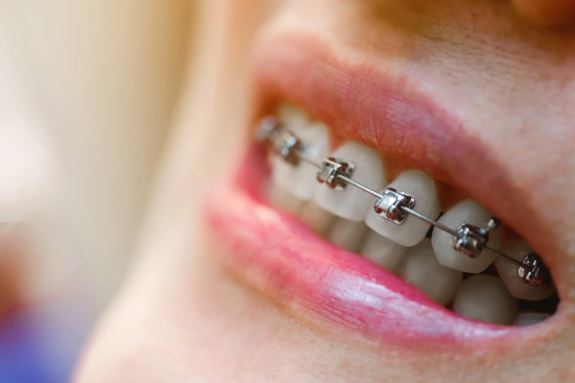
Appearance and Aesthetics:
Traditional braces are made of metal brackets and wires, making them noticeable when you smile or speak. Ceramic braces offer a more subtle look but are still visible. On the other hand, invisible aligners are clear, removable trays designed to be discreet. Their near-invisible appearance makes them highly appealing for adults and professionals who prefer not to draw attention to their orthodontic treatment.
Comfort and Fit:
Braces can sometimes cause irritation to the cheeks, lips, and tongue because of the brackets and wires. They may also cause soreness after adjustments. Invisible aligners, being smooth and custom-fitted, provide a more comfortable experience overall. Although mild discomfort occurs when switching to a new aligner tray, it is generally less painful compared to the tightening of braces.
Treatment Effectiveness:
Both braces and aligners are effective, but their scope differs. Traditional braces are ideal for complex orthodontic cases, such as severe misalignment, overcrowding, or jaw-related issues. Aligners work best for mild to moderate cases and cosmetic corrections. Orthodontists often recommend braces for younger patients with developing jaws, while adults with minor corrections may find aligners more suitable.
Treatment Duration:
Braces typically require 18–36 months of treatment, depending on complexity. Aligners often promise quicker results, with most cases completing within 12–24 months. However, the actual duration depends on patient compliance. If aligners are not worn for at least 20–22 hours a day, treatment time may extend, making them less effective than braces for inconsistent wearers.
Maintenance and Cleaning:
Maintaining braces requires careful brushing and flossing around brackets and wires, which can be challenging and time-consuming. Special cleaning tools are often necessary to remove food particles. Aligners are removable, making oral hygiene easier and more efficient. Patients simply take them out while brushing and flossing, ensuring better gum and tooth health during treatment.
Eating and Lifestyle Restrictions:
Braces come with dietary restrictions, as sticky, hard, or chewy foods can damage the brackets or wires. Patients must be cautious with foods like popcorn, nuts, and chewing gum. Aligners, being removable, allow patients to eat whatever they like without worry. However, they must be cleaned before reinsertion, requiring extra discipline. This flexibility is a major advantage for patients with active social lives.
Visibility of Results:
With braces, results become noticeable gradually over the course of treatment, often taking months before patients see visible changes. Aligners, while discreet, also show progress within a few months, and digital scans often allow patients to preview their expected results before treatment begins. This visualization can be highly motivating for aligner users.
Cost Considerations:
Braces are generally more affordable compared to invisible aligners, making them a preferred choice for families or patients on a tighter budget. However, aligners are considered an investment in comfort, convenience, and aesthetics. The final cost depends on case complexity, orthodontist expertise, and the duration of treatment. In some cases, insurance plans may partially cover either option.
Compliance and Responsibility:
Braces are fixed, meaning patients do not need to worry about removing or misplacing them. This makes them suitable for children and teenagers who may not follow aligner instructions strictly. Aligners, however, require discipline since forgetting to wear them or losing trays can delay results. Responsibility plays a key role in deciding whether aligners are a practical choice.
Suitability for Different Age Groups:
Traditional braces are commonly used for children and teenagers because of their effectiveness in treating complex orthodontic issues. Adults who prefer discretion and minimal lifestyle disruption often choose aligners. However, orthodontists evaluate each patient’s dental needs, age, and lifestyle before recommending the most suitable option for achieving long-term success.
Pros and Cons of Each Option:
Both aligners and braces have distinct advantages and challenges.
- Braces Pros: Effective for complex cases, no risk of losing them, generally more affordable.
- Braces Cons: Visible, dietary restrictions, more difficult oral hygiene.
- Aligners Pros: Discreet, removable, comfortable, no food restrictions.
- Aligners Cons: Require discipline, higher cost, not suitable for all cases.
Final Thoughts:
When choosing between invisible aligners and traditional braces, the decision depends on personal preference, budget, lifestyle, and dental requirements. Patients seeking Teeth Braces in Dubai can benefit from a consultation with an experienced orthodontist to evaluate which method suits them best. Braces remain the most reliable option for complex cases, while aligners offer discretion and convenience for those who prioritize aesthetics and flexibility. Ultimately, both treatments lead to the same outcome—a confident, healthy smile.
braces for teeth
braces for teeth dubai
braces for teeth clinic