
Healing Power of Medicinal Herbs for Health and Wellness
Herbal remedies have been utilized for centuries to promote health and wellbeing. They still provide natural assistance with an array of the body's systems, from immunity through digestion and circulation. Since herbs usually function alongside the body's natural processes, they represent a more subtle healing method compared to synthetic medication.
Herbal medicine is based on observation and tradition and many times handed down generation by generation. Scientific research is now finally playing catchup, providing acceptance to many ancient remedies.
Cardiovascular Health and Herbal Support
The heart is helped by some medicinal herbs that are known for their effect on circulation, cholesterol levels, and blood pressure. Hawthorn, for instance, has been employed to maintain heart function and the flexibility of vessels. It keeps blood flow constant and can also help reduce mild hypertension.
Garlic is yet another strong herb commonly known for its cardiovascular properties. It maintains healthy blood pressure and decreases cholesterol levels, possibly keeping the risk of heart disease at bay with long-term use. Dried garlic extract, in particular, is frequently researched for its consistency and effectiveness.
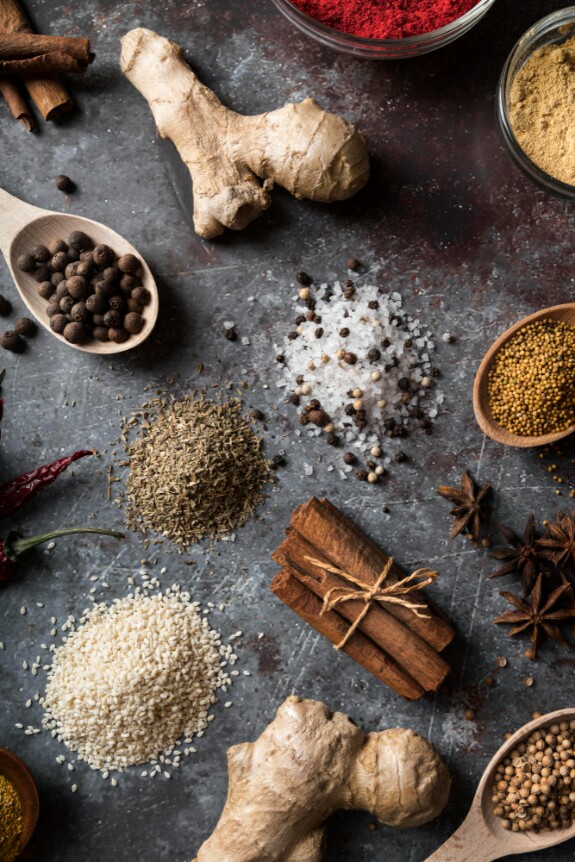
Turmeric, with its bioactive curcumin, has the ability to lower inflammation, which is directly associated with heart problems. Turmeric consumed regularly in foods or supplements can also help maintain vascular health.
Increasing Immunity Naturally
Herbs such as echinacea, elderberry, and astragalus are highly valued for their immunity-boosting properties. They cause the body to react to seasonal challenges and aid in recovery from minor conditions faster. Constant use during winter months can be a preventive measure.
Adaptogens like ashwagandha and holy basil are also involved in immune modulation by dampening the effects of stress. Stress, particularly chronic stress, can undermine immune function, making adaptogens an asset for both body and mind resilience.
Maintaining Digestion and Gut Health
Digestive distress is frequent, but relief and chronic sustenance can be provided by some herbs. Peppermint, ginger, and fennel soothe the muscle of the gastrointestinal tract, halting bloating, cramping, and nausea. They are especially useful after meals or with episodes of digestive upset.
Bitter herbs such as gentian and dandelion root enhance digestive juices and bile. This optimizes nutrient absorption and keeps the digestive system healthy. These herbs can be taken before meals to facilitate digestion.
Cognitive Support from Nature's Pharmacy
There are some herbs that offer aid to memory, concentration, and mind focus. Ginkgo biloba sends extra blood to the brain, which has been proven to make a person mentally alert. It is used by many individuals who want to enhance healthy aging and avoid memory loss.
Rhodiola and bacopa are most famous for their impact on mental endurance and focus. Both of the herbs prove to be really helpful when a person is exposed to severe mental tension. They also help in protecting brain cells from oxidative stress by being antioxidant in nature.
Herbs That Help with Sleep and Relaxation
Herbs such as chamomile, valerian root, and passionflower are employed to put individuals to sleep and are used to relax them. They act upon the nervous system, rendering the body relaxed and easily sleeping.
Lavender tea or aromatherapy also was found to be effective in suppressing anxiety and providing better sleep patterns. Herbal medicines can possibly become less drugs that are administered as sleeping pills.
Anti-inflammatory Applications of Medicinal Herbs
Chronic inflammation is seen in most chronic illnesses. Boswellia, ginger, and turmeric are anti-inflammatory herbs that promote joint health and alleviate pain.
By acting as anti-inflammatory, they also potentially might help with mobility in addition to physical comfort. Improvement over the long term will typically result, and these can be suitable for use in regular health plans.
Hormonal Balance and Herbal Allies
For individuals experiencing hormonal imbalance, herbs such as chasteberry, black cohosh, and maca root may be beneficial. They are used traditionally to correct menstrual and menopausal cycle disturbance symptoms.
They achieve this by stimulating the endocrine system, normalizing hormone levels without extreme side effects. Herbalists normally administer them in relation to the individual's unique needs and symptom patterns.
Safety, Dosage, and Interactions
Though herbs may be beneficial, they must be used the proper way in order to ensure safety and efficacy. There are interacting herbs or contraindicated herbs for specific conditions. It is best to consult a health practitioner or professional herbalist, particularly when introducing new regimens of herbs.
Dosage depends on form, such as tea, tincture, capsule, or powder. Quality is important too. To achieve maximum potency and purity, find good sources. A valuable source of information is NCCIH.
Traditional Knowledge Meets Scientific Research
Several herbs previously utilized based on traditional wisdom are nowadays topics of clinical trials. Turmeric alone has more than 10,000 studies on its benefits, for instance. Garlic, ginkgo, and echinacea have also been extensively researched for their medicinal benefits.
This convergence of science and tradition makes natural healing therapies more prominent. It also fosters the establishment of optimal dosing guidelines and safety profiles for herbal usage.
Conclusion: Integrating Herbs into Daily Life
Herbs are able to be woven into a person's lifestyle in the forms of teas, tinctures, food, and supplements. Small amounts, such as a daily cup of ginger tea or turmeric spice added to food, have the ability to impact greatly over time.
Herbal well-being is not an issue of sudden lifestyle change. Gradual, steady changes are more likely to bring about long-term effects. Carefully chosen and well-esteemed in their use, medicinal herbs can gradually work towards better health in subtle but beneficial manners.
Holistic Approach to Herbal Wellness
Herbal use works best in conjunction with an overall balanced lifestyle, as shown through proves by sources like medicarewell.com. Food, rest, exercise, and stress reduction all affect how well the body will adjust to herbal support. Herbs are no Band-Aids, but they may help general well-being goals.
Linking herbal medicine on the holistic level in an intelligent way allows the body to stay in attunement with its own cycles. The way of the ancient practice has a tendency to mirror this subtle, consistent approach as the key to health in the long term.
FAQs
Q1. What are the most useful herbs for heart health?
A1. Garlic, hawthorn, and turmeric are some of the best-researched herbs for cardiovascular disease. They help to promote healthy blood pressure, circulation, and cholesterol. Taking the herbs in addition to a balanced diet and lifestyle will help to promote natural heart health.
Q2. Are herbs safe to use daily without side effects?
A2. The majority of herbs are safe to use every day at the correct dosages. Yet, every human body is unique, and prolonged application must be followed by professional advice. Be attentive for changes or interactions at all times.
Q3. How long does it take to notice effects from herbs?
A3. The timeline varies with the herb and the health issue at hand. Some provide immediate relief, while others involve weeks of regular consumption. Patience and regular consumption are usually the best course of action for wellness objectives.
#medicinal herbs
#herbs for cardiovascular health