
Pneumatic & Manual Combo Actuator: Combination of Best
Industrial automation demands reliability, but what happens when your pneumatic system loses air pressure during a critical operation? This is where pneumatic and manual combo actuators shine, offering the efficiency of automated control with the security of manual backup operation.
A Pneumatic & manual combo actuator combines two operating modes in a single unit: pneumatic operation for normal automated control and manual operation for emergency situations or maintenance procedures. This dual functionality makes it an essential component in industries where process continuity and safety are paramount.
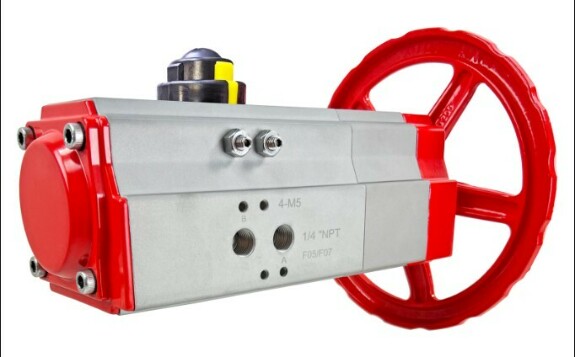
How Pneumatic & Manual Combo Actuators Work
The pneumatic and manual combo actuator operates through a sophisticated mechanism that allows seamless switching between automated and manual control modes. During normal operation, compressed air drives the actuator through pneumatic cylinders, providing precise and repeatable positioning of valves or other process equipment.
When manual operation becomes necessary, operators can engage a manual override mechanism. This typically involves a handwheel or lever that mechanically drives the same output shaft used during pneumatic operation. The manual override system includes a clutch mechanism that disengages the pneumatic components, preventing damage during manual operation.
Most combo actuators feature position indicators that show the current valve or damper position regardless of the operating mode. This visual feedback helps operators understand system status during both automated and manual control phases.
Key Benefits of Combo Actuators
Enhanced Safety and Reliability
The primary advantage of pneumatic and manual combo actuators lies in their fail-safe design. When air supply fails or maintenance requires system shutdown, operators can immediately switch to manual control without replacing equipment or installing temporary solutions.
Cost-Effective Solution
Rather than purchasing separate pneumatic and manual actuators, combo units provide both functions in a single package. This reduces initial equipment costs, simplifies installation, and minimizes space requirements in crowded industrial environments.
Reduced Downtime
Emergency situations often require immediate valve operation. Combo actuators eliminate the time needed to install manual overrides or temporary equipment, allowing operators to maintain process control during system failures.
Maintenance Flexibility
During scheduled maintenance, operators can switch to manual mode while keeping the process running. This flexibility reduces planned downtime and improves overall system availability.
Common Applications
Pneumatic and manual combo actuators find widespread use across multiple industries. In water treatment facilities, they control critical valves that must remain operable during power outages or air system failures. Chemical processing plants rely on these actuators for emergency shutdown valves where manual operation capability is essential for safety.
Oil and gas operations frequently install combo actuators on pipeline valves, wellhead equipment, and storage tank systems. The ability to manually operate these valves during emergencies or routine maintenance makes them invaluable for operational continuity.
Power generation facilities use pneumatic and manual combo actuators on dampers, bypass valves, and cooling system controls. The manual backup ensures operators can maintain control during plant emergencies or maintenance procedures.
Selection Considerations
When choosing a pneumatic and manual combo actuator, several factors require careful evaluation. Operating torque requirements must accommodate both normal operating conditions and potential emergency scenarios where manual operation may be more difficult.
Environmental conditions significantly impact actuator selection. Outdoor installations require weather-resistant enclosures, while corrosive environments demand specialized materials and coatings. Temperature extremes affect both pneumatic and manual operation capabilities.
Control signal compatibility ensures proper integration with existing automation systems. Most combo actuators accept standard pneumatic control signals while providing position feedback for system monitoring.
Installation and Maintenance
Proper installation of pneumatic and manual combo actuators requires attention to both pneumatic connections and manual access requirements. Air supply lines must be properly sized and filtered to ensure reliable pneumatic operation. Manual override mechanisms need adequate clearance for operator access during emergency situations.
Regular maintenance involves testing both operating modes to ensure proper functionality. Pneumatic systems require periodic inspection of air filters, regulators, and supply lines. Manual override mechanisms need lubrication and exercise to prevent seizure during extended periods of pneumatic operation.
Making the Right Choice for Your Application
Pneumatic and manual combo actuators represent a smart investment for applications requiring both automated control and manual backup capability. Their dual functionality provides operational flexibility while maintaining the safety and reliability essential in critical industrial processes.
Whether you're designing a new system or upgrading existing equipment, consider how combo actuators can enhance your operational capabilities. The combination of pneumatic efficiency and manual reliability makes these actuators an excellent choice for demanding industrial applications where process continuity cannot be compromised.