creator cover Agency Agrowth
Agency Agrowth

Agency Agrowth 

0subscribers

184posts

DeFi Marketing Strategies That Drive Real Growth

The decentralized finance landscape in 2026 looks nothing like it did five years ago. What began as a fragmented, speculative environment has consolidated into a multi-billion-dollar ecosystem where institutional capital coexists with retail participation. For growth professionals, however, the challenge has become more demanding—not less. Increased regulatory oversight and a user base with higher expectations mean that outdated promotional tactics no longer generate sustainable results.
This guide breaks down the mechanics behind high-performing DeFi marketing, written for marketers and growth strategists who want to scale decentralized protocols with precision.

What Is DeFi Marketing?

DeFi marketing is the disciplined process of building awareness, attracting liquidity, and driving governance engagement for decentralized financial protocols. It differs from conventional fintech growth work in one critical way: instead of optimizing for customer acquisition cost (CAC) and lifetime value (LTV), DeFi marketing operates on three interdependent pillars—Liquidity, Community, and Security.
This specialization demands fluency in smart contract architecture, yield mechanics, and on-chain behavioral data. The fundamental ask is not "use our product." It is "lock your capital into our code." Closing that gap between technical complexity and financial trust is the core challenge—and the core opportunity.

Why Marketing Is Non-Negotiable in DeFi

In a permissionless environment, product quality alone rarely generates sustainable traction. With thousands of protocols competing for the same liquidity pool, marketing is the mechanism that separates protocols with momentum from those that stagnate.
Liquidity is path-dependent. Users follow existing liquidity. Marketing creates the initial "flywheel effect" that draws the first wave of Liquidity Providers (LPs) and makes the protocol attractive for subsequent participants.
Security communication builds moat. In an ecosystem frequently marked by exploits and bridge hacks, marketing is how a protocol communicates its audit history, bug bounty structure, and battle-tested codebase—effectively converting security credibility into competitive advantage.

High-Performance Lottery Marketing Strategies for 2026

Lottery marketing is often treated as a simple volume game. Many assume results come from bigger jackpots, broader distribution, or heavy media spending. In practice, the category is far more complex. Lottery brands operate inside a narrow corridor where regulation, consumer psychology, and short purchase cycles all shape performance.
That makes lottery marketing less about aggressive promotion and more about disciplined execution. Marketers need to build demand without overstating outcomes, create urgency without crossing compliance lines, and turn occasional buyers into repeat participants without relying on pressure-driven messaging.
In 2026, strong lottery marketing combines compliance, personalization, channel control, and creative precision. The best-performing campaigns do not simply attract clicks. They build trust, reinforce habits, and keep engagement high across both retail and digital touchpoints.

Why Lottery Marketing Requires a Different Strategy

Lottery advertising does not behave like standard eCommerce or consumer brand marketing. The product is regulated, the purchase decision is emotional, and the conversion window is often short. That changes how marketers plan campaigns, define audiences, and evaluate success.
In most regulated markets, creative is not free to chase pure persuasion. Messaging must stay responsible. Targeting must stay narrow. Claims must remain factual. Performance, therefore, depends on how well a brand works within those constraints rather than how aggressively it pushes the offer.
Another difference is frequency. Lottery participation often involves repeated low-value purchases rather than a single high-ticket conversion. That means the real business goal is not one transaction. It is habit formation. The strongest campaigns are built to improve retention, not just short-term response.

The Compliance Constraints That Shape Lottery Advertising

Compliance is not a side issue in lottery marketing. It is part of strategy, media planning, copywriting, and creative production. Brands that treat compliance as an afterthought usually limit scale, increase review friction, and reduce campaign efficiency.

Age Restrictions and Audience Exclusion

Lottery campaigns must exclude minors entirely. That requirement affects more than targeting settings. It also influences tone, visual style, language, and media placement.

Sports Betting Marketing for Scalable ROI

Sports betting marketing in 2026 requires a structured, data-driven approach. Rising acquisition costs, tighter regulations, and increased competition have changed how operators generate and retain users.
In mature markets, acquisition costs can exceed $200–$500 per user. At the same time, more than 60% of revenue often comes from repeat activity. This creates a clear priority: optimize long-term value rather than short-term conversions.
This guide explains how to build scalable sports betting marketing strategies that align acquisition, engagement, and retention within regulated environments.

Why Marketing Matters in Sports Betting

Differentiating a Standardized Product

Sports betting platforms offer similar odds and markets. This makes differentiation essential.
Effective marketing positions a platform through:
  • User experience
  • Speed and reliability
  • Unique features
  • Brand narrative
Without clear positioning, operators compete primarily on promotions, which reduces margins.

Building Trust in Regulated Markets

Trust is a key factor in user decisions.
High-quality marketing signals:
  • Operational stability
  • Transparency
  • Professional standards
Content such as podcasts, analysis, and educational materials helps build credibility.

Engagement Through Sports Culture

Sports betting connects directly with sports fandom.
Marketing bridges:
  • Passive viewing → active participation
  • Data → decision-making
  • Content → engagement
This creates a deeper relationship with users beyond transactions.

Facebook Ads Strategy for Airbnb Growth

The short-term rental market has become increasingly competitive. Listing a property on Airbnb is no longer enough to maintain stable occupancy. Professional hosts now rely on external traffic sources to generate demand and improve booking consistency.
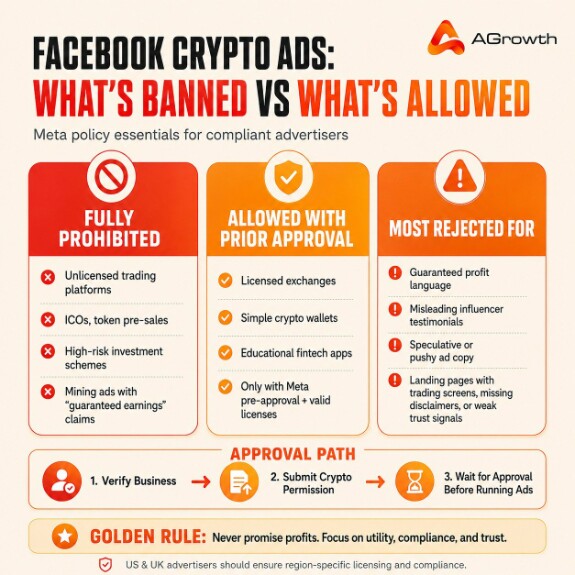
Among these channels, Facebook Ads (Meta Ads) stand out as a scalable solution. However, running ads for Airbnb listings requires a different approach compared to eCommerce. Success depends on understanding traveler behavior, intent timing, and funnel design.
This guide explains how to build a high-performance Facebook Ads system for Airbnb listings using data, structured targeting, and lifecycle thinking.

Do Facebook Ads Work for Airbnb Listings?

Understanding Traffic Behavior

Airbnb traffic is intent-driven. Users search with clear criteria: location, dates, and budget. This leads to high conversion rates because intent already exists.
Facebook traffic behaves differently. Users are browsing content, not actively searching for accommodation. This makes Facebook a discovery and consideration channel.
As a result, Facebook Ads rarely generate immediate bookings. Instead, they influence:
  • Destination awareness
  • Property recall
  • Shortlisting behavior
  • Repeat visits on Airbnb
Studies across travel campaigns show that awareness-stage ads can increase branded search volume by 15–30% over time. This indirect impact is often missed when measuring only last-click conversions.

Demand Creation vs Demand Capture

Platforms like Google and Airbnb capture existing demand. Facebook creates demand.
This distinction defines strategy.
Facebook Ads should:
  • Introduce the property
  • Build emotional connection
  • Encourage exploration
  • Drive return visits
When positioned correctly, Facebook increases conversion probability within Airbnb’s ecosystem.

Scalable iGaming Marketing Strategies for Growth

The iGaming industry in 2026 operates under stricter regulations, higher acquisition costs, and more informed users. Growth is no longer driven by volume-based campaigns. Instead, leading operators focus on structured systems that balance acquisition efficiency with long-term value.
Industry data shows that acquisition costs in regulated markets can exceed $300 per user, while over 70% of revenue often comes from returning players. This shift makes lifecycle optimization essential.
This guide outlines how to build scalable iGaming marketing strategies using data, segmentation, and multi-channel coordination.

How iGaming Marketing Has Evolved

From Volume Acquisition to Value Optimization

Earlier strategies prioritized rapid user acquisition. While this approach increased registrations, it often resulted in low retention and unstable performance.
Today, regulated markets reward quality over quantity. Operators focus on attracting users who:
  • Complete onboarding
  • Engage consistently
  • Generate long-term revenue
This shift has made lifetime value (LTV) the primary performance indicator.

The Impact of Regulation on Marketing Strategy

Regulatory frameworks in markets such as the US and UK have reshaped marketing execution.
Key changes include:
  • Reduced use of direct promotional messaging
  • Increased focus on educational content
  • Stronger emphasis on responsible messaging
  • Strict alignment with platform policies
As a result, marketing strategies now prioritize clarity, transparency, and compliance.

Core iGaming Marketing Strategies

1. SEO and Content Authority

SEO remains one of the most stable acquisition channels.

Online Casino Marketing Strategies for Scalable Growth

Online casino marketing has transformed from simple bonus-driven acquisition into a sophisticated discipline focused on long-term profitability. Rising acquisition costs, regulatory constraints, fragmented attribution, and increasingly experienced players require operators to move beyond short-term tactics. Sustainable growth now depends on systems that balance acquisition, retention, compliance, and lifetime value.
This guide outlines how modern casino marketing strategies deliver scalable results through data-driven planning, automation, and multi-channel coordination.

Why Marketing Plays a Unique Role in Online Casinos

Unlike many digital businesses, online casinos operate in a high-frequency, high-competition environment where user value accumulates over time rather than at first conversion.

Intense Competition and Limited Inventory

The global iGaming market features numerous operators competing for the same player pool. Advertising inventory is restricted by regulations, and many channels impose strict compliance rules. As a result, cost per acquisition continues to increase.
Operators that rely solely on spending more rarely succeed. Differentiation through targeting, personalization, and brand trust becomes the primary advantage.

Lifetime Value as the Core Profit Driver

Profitability depends heavily on long-term player activity. Experienced teams monitor metrics such as:
  • Customer acquisition cost versus lifetime value
  • Payback period
  • Retention curves
  • Revenue per active player
Effective strategies optimize the entire lifecycle—from registration and first deposit to ongoing engagement and loyalty.

Building a Data-Driven Casino Marketing Plan

A structured plan ensures that marketing efforts align with business goals rather than isolated metrics.

Define Behavioral Target Segments

Demographics alone provide limited insight. Segmentation should incorporate behavioral indicators such as:
  • Preferred game categories
  • Deposit patterns
  • Device usage
  • Geographic compliance factors
  • Engagement frequency
Behavior-based cohorts allow personalized messaging across advertising, CRM systems, and on-site experiences.

Establish Business-Aligned Goals

Facebook Live Marketing for Scalable Growth

In an era dominated by short-form content and algorithmic feeds, real-time video remains one of the most powerful tools for building trust at scale. Facebook Live, in particular, combines authenticity, interaction, and reach in a way that prerecorded content cannot replicate. For growth-focused marketers, it is not simply a broadcasting feature but a performance asset that can feed retargeting funnels and reduce acquisition costs over time.
This guide explains how to turn Facebook Live from a casual engagement tool into a measurable marketing channel that supports both organic visibility and paid advertising efficiency.

Why Facebook Live Still Delivers Strong ROI

Meta’s ranking system prioritizes meaningful interactions. Live video naturally generates comments, reactions, and longer watch times—signals associated with content quality. Internal benchmarks across industries indicate that live broadcasts can produce several times more engagement than standard video uploads.
Long viewing duration is especially valuable. When users stay for minutes rather than seconds, the platform records high intent. These viewers can later be grouped into Custom Audiences for remarketing, creating a pool of warm prospects at minimal cost.
Additionally, live sessions humanize brands. Real-time demonstrations, Q&A segments, and transparent communication reduce skepticism and strengthen credibility. For service businesses and high-consideration products, this trust factor often determines conversion success.

Strategic Advantages Over Traditional Content

Live video offers benefits that static posts cannot match.

Immediate Interaction

Questions can be addressed instantly, removing objections before they escalate. This mirrors a sales conversation more than a broadcast.

Behavioral Data Collection

Every viewer interaction—watch time, comments, reactions—provides granular insight into audience interest. These signals improve targeting accuracy for future campaigns.

Community Formation

Repeated sessions build familiarity. Regular viewers begin to recognize the host, increasing loyalty and referral potential.

Facebook Marketing for Attorneys That Drives Growth

Many law firms test Facebook advertising with expectations shaped by search marketing: immediate intent, fast consultations, and predictable conversions. When those outcomes do not appear quickly, the platform is often dismissed. In practice, Facebook operates under a different behavioral model. It influences prospects earlier, builds trust over time, and converts demand that has not yet reached search engines.
For legal practices willing to align strategy with client psychology, Facebook can become a powerful acquisition channel. It strengthens brand authority, nurtures consideration, and lowers long-term cost per client in competitive markets.

Why Facebook Ads Matter for Law Firms

Search platforms capture users who already need legal representation. Facebook shapes preferences before urgency occurs. Research across professional services shows that most clients consult multiple sources before hiring counsel. Repeated exposure to educational content increases familiarity and perceived expertise, both critical factors in attorney selection.
Two primary benefits make Facebook valuable for legal marketing:
Top-of-mind awareness: Consistent visibility builds recognition so prospects remember the firm when legal issues arise.
Early lead capture: Educational offers can convert users before they begin searching for attorneys.
Interest targeting and lookalike modeling allow firms to reach audiences based on life situations, such as relocation, employment changes, or family transitions. These signals often precede formal legal needs.

Practice Areas That Perform Well on Facebook

Not all legal specialties achieve equal results. Areas involving longer decision cycles or emotional considerations tend to perform best.

Personal Injury and Mass Tort

High search volume and strong storytelling potential make this category effective for social advertising. Visual content explaining rights after accidents or workplace injuries often generates strong engagement.

Family Law

Divorce and custody matters typically involve research and reflection before action. Educational resources addressing common concerns help build trust during this period.

Facebook Marketing for Apartments That Fills Units

In the multifamily sector, Facebook marketing is often reduced to posting photos, targeting nearby renters, and running basic lead ads. These tactics may generate inquiries, but they rarely improve occupancy in a measurable way. As privacy regulations tighten and competition increases, apartment marketers must adopt a performance-driven framework that influences renter decisions across the entire leasing journey.
For property managers and media buyers, the real objective is not simply generating leads. It is accelerating lease velocity, lowering cost per signed lease, and improving Net Operating Income (NOI). Facebook can support these goals, but only when used strategically.

When Facebook Marketing Fails for Apartment Properties

Experienced marketers know that advertising cannot compensate for structural problems. Before scaling campaigns, evaluate whether external factors are suppressing performance.

Oversupplied Submarkets

When new inventory floods a neighborhood, renters gain leverage. Increased supply often leads to aggressive concessions such as free rent periods or discounted deposits. If your property cannot compete on value, even well-executed campaigns will struggle to convert.

Pricing That Exceeds Perceived Value

A rent level significantly above comparable properties creates friction. High click-through rates combined with low application rates usually indicate a price-to-value mismatch. Marketing can attract attention, but it cannot justify an uncompetitive offer.

Weak Leasing Operations

Advertising generates tours, but leasing teams close deals. Delayed follow-up, inconsistent communication, or poor tour experiences undermine campaign effectiveness. Research across sales industries shows that responding within minutes dramatically improves conversion probability, highlighting the importance of operational readiness.

The Real Role of Facebook in the Renter Journey

Facebook should not be viewed as a replacement for search platforms or listing sites. It plays a complementary role that prepares prospects before they actively shop.

Demand Conditioning vs Demand Capture

Search advertising captures renters already looking for apartments. Social platforms condition demand by shaping perceptions earlier. By showcasing lifestyle benefits, neighborhood advantages, or unique amenities, you influence preferences before the renter begins comparing listings.

Facebook Marketing for Accountants That Drives Clients

Accounting firms are rapidly shifting from referral-only growth toward scalable digital acquisition. While search advertising captures prospects actively looking for tax help, Facebook and Instagram allow firms to influence decision-making before urgency appears. For accountants who want predictable lead flow, Meta is not a platform for visibility alone — it is a demand generation system that builds trust, authority, and pipeline simultaneously.
This guide explains how to transform Facebook from a basic social channel into a high-performance client acquisition engine tailored for accounting services.

Understanding Facebook’s Role in the Accounting Funnel

Many campaigns fail because marketers apply a search mindset to a social environment. Search captures existing demand. Social creates it.
When a business owner searches “CPA near me,” they already need help. On Facebook, that same owner is reviewing updates, reading content, or engaging with their network. Your marketing must interrupt passively and convert attention into interest.

Demand Creation vs Demand Capture

Search marketing targets users with immediate intent. Social marketing introduces problems, insights, or opportunities that trigger intent.
For example, an ad highlighting “7 overlooked deductions for service businesses” surfaces a financial risk the viewer may not have considered. This approach turns passive scrolling into proactive inquiry.
Demand creation is especially powerful for services with long decision cycles, such as tax planning or advisory retainers.

Full-Funnel Structure: Awareness to Conversion

A sustainable Meta strategy uses layered campaigns aligned with the buyer journey.
Top of Funnel (Awareness)
Educational content targeting broad audiences. Objectives focus on video views, engagement, or traffic rather than consultations.
Middle of Funnel (Consideration)
Retarget users who interacted with awareness content. Offer resources such as checklists, templates, or guides to capture contact details.
Bottom of Funnel (Conversion)
Direct offers aimed at warm prospects, such as consultations or strategy sessions.
Subscription levels0
No subscription levels
Go up