
How to Perfectly Set Up Your Duty Belt: An Essential Guide.
Setting up your Duty Belts is a crucial task for law enforcement officers, security personnel, and anyone who requires a reliable gear setup. A well-organized duty belt not only ensures quick access to essential tools but also enhances comfort during long shifts. This guide will walk you through the steps to perfectly set up your duty belt, focusing on optimal placement, securing your gear, and personalizing your setup.
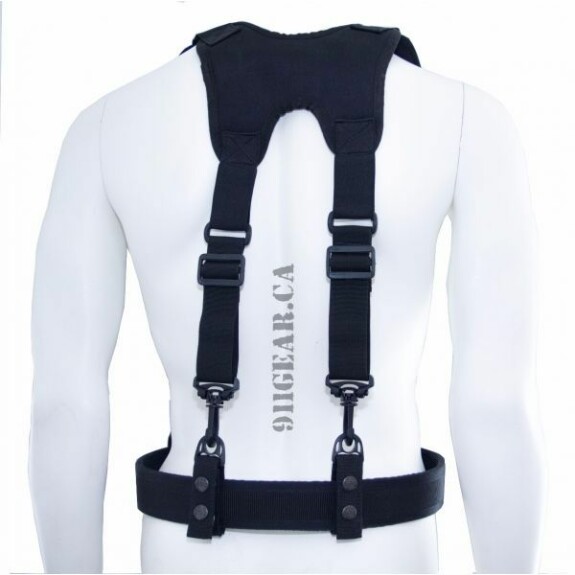
Understanding the Duty Belt
A duty belt is an essential piece of equipment that carries the tools needed for law enforcement duties. These can include firearms, handcuffs, flashlights, and other tactical gear. The importance of a properly arranged duty belt cannot be overstated; it can significantly impact an officer's efficiency and safety on the job.
Choosing the Right Duty Belt
Before diving into the setup process, it's important to choose the right duty belt. There are various types available, including the outer duty belt, which is worn over the uniform, and inner belts that provide additional support. When selecting duty belts in Canada, consider factors such as material, width, and the specific gear you plan to carry.
Setting Up Your Duty Belt: The Essentials
1. Placement of Essential Items
The arrangement of items on your duty belt is vital for quick access and balance. Here’s a suggested layout:
-Handgun and Holster: Position your firearm on your dominant side for easy access. Ensure the holster is angled for a smooth draw.
- Extra Magazines: Place magazine pouches on the opposite side of the gun to maintain balance.
- Handcuffs: These should be easily accessible, ideally on the front of your dominant side. If you carry a second pair, consider placing them on the rear.
- Radio: Your radio should be positioned at the front, close to the buckle for quick communication.
- Other Equipment: Items like batons, pepper spray, and flashlights can be arranged based on frequency of use. For example, keep your flashlight on your non-dominant side to free up your dominant hand.
2. Securing Your Gear
To prevent your gear from shifting during movement, use duty belt keepers. These small straps connect your outer duty belt to your trouser belt, ensuring stability. Other options include:
- MOLLE Straps: These can help stabilize gear and are particularly useful for modular setups.
- Threading: Some items can be threaded directly through the belt for added security.
Practical Considerations and Tips
Trial and Error
Finding the perfect setup for your duty belt often requires experimentation. Adjust the placement of your gear based on comfort and accessibility. Remember, there’s no one-size-fits-all solution; what works for one officer may not work for another.
Testing Your Setup
Once you have arranged your duty belts, test it in training scenarios. This will help you identify any adjustments needed to enhance performance. The goal is to ensure that your gear is accessible and does not hinder your movements.
Adjusting Based on Experience
As you gain experience, your needs may change. Be prepared to adapt your duty belt setup based on new equipment or personal comfort. Regularly evaluate your arrangement to ensure it meets your current demands.
Conclusion: The Importance of a Well-Set Duty Belt
By carefully considering the placement of your gear, using duty belt keepers, and regularly adjusting your setup, you can enhance your efficiency and comfort on the job.
For those looking to upgrade their gear, consider visiting 911gear ca. We offer a wide range of duty belts and accessories tailored for Canadian law enforcement professionals. With quality products designed for durability and functionality, you can trust us to meet your duty belt needs.
duty belts
outer duty belt
duty belt keepers
duty belts canada
police officer duty belt
tactical utility belt
police duty belt in toronto
best police duty belt