
Questions to Ask Your Liposuction Doctor Before Liposuction Surgery
Deciding to undergo Liposuction in Islamabad is a big step towards achieving the body shape you've always wanted. While the procedure can effectively remove stubborn fat and sculpt your figure, choosing the right surgeon and understanding the process is essential for a safe and successful outcome. At SKN Cosmetic Clinic, experienced surgeons ensure each patient receives thorough guidance and transparent information before proceeding with any cosmetic surgery.
Before you schedule your liposuction, it's crucial to ask your doctor the right questions. Doing so will help you understand the procedure, set realistic expectations, and feel confident about your decision. Here's a comprehensive list of the most important questions to ask your liposuction doctor before surgery.
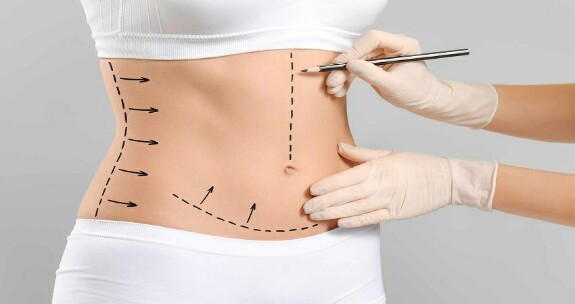
1. Am I a Good Candidate for Liposuction?
This is the first question you should ask during your consultation. Liposuction is not a weight-loss solution but rather a body-contouring procedure. Ideal candidates are those who:
- Are close to their ideal weight
- Have localized fat deposits resistant to diet and exercise
- Maintain good overall health
- Have firm and elastic skin
Your doctor will evaluate your body type, skin quality, and health history to confirm if liposuction is the right option for you.
2. What Type of Liposuction Technique Will You Use?
There are several types of liposuction procedures, including:
- Tumescent Liposuction
- Vaser Liposuction (ultrasound-assisted)
- Laser-Assisted Liposuction
- Power-Assisted Liposuction (PAL)
Each technique has its advantages depending on the treatment area and your body goals. Ask your doctor which one they recommend and why - this helps you understand the safety, precision, and recovery process associated with your specific treatment.
3. How Experienced Are You with Liposuction Procedures?
Experience matters greatly in cosmetic surgery. Ask how many liposuction surgeries your doctor performs each month or year, and request to see before-and-after photos of previous patients.
An experienced surgeon can tailor the treatment to your unique needs, ensuring natural-looking results while minimizing risks. Also, verify whether the surgeon is board-certified and trained in advanced liposuction techniques.
4. What Areas of My Body Can Be Treated?
Liposuction can target multiple areas such as the abdomen, thighs, arms, back, hips, and under the chin. However, every patient’s anatomy is different. Discuss with your surgeon which areas will benefit most from the procedure and whether treating multiple areas in one session is advisable.
Your doctor’s assessment will help you understand what’s achievable and ensure that your expectations align with realistic outcomes.
5. What Results Can I Expect After Liposuction?
It’s important to know what liposuction can realistically achieve. Ask your doctor:
- How much fat can safely be removed?
- How long it takes to see final results?
- What your body will look like post-surgery?
Generally, initial improvements are visible within a few weeks, with full results appearing after 3 to 6 months once swelling subsides. Knowing this timeline helps you plan your recovery and set realistic expectations.
6. What Are the Risks and Possible Complications?
Every surgery carries some level of risk, even with experienced surgeons. Ask your doctor to explain potential complications, such as:
- Infection
- Bruising or swelling
- Numbness or uneven contours
- Fluid accumulation (seroma)
A transparent surgeon will walk you through these possibilities and explain how they minimize risks through advanced techniques and strict safety protocols.
7. What Type of Anesthesia Will Be Used?
Liposuction can be performed under local anesthesia, sedation, or general anesthesia, depending on the area and fat volume being treated. Discuss which option your doctor recommends for you, as anesthesia affects both comfort and recovery time.
Local anesthesia is often preferred for smaller areas because it allows faster recovery and fewer side effects, while general anesthesia may be necessary for larger treatment zones.
8. What Will My Recovery Be Like?
Your recovery experience depends on the extent of the procedure. Ask your doctor about:
- How long do you'll need to take off work
- When you can resume exercise
- How to manage swelling and bruising
- When to expect final results
Your surgeon may also recommend wearing compression garments for several weeks to help the skin adapt to new contours. Understanding recovery helps you prepare mentally and physically for the healing process.
9. How Much Will Liposuction Cost and What Does It Include?
Liposuction costs vary based on the treatment area, anesthesia type, and surgeon's expertise. Make sure you get a detailed cost breakdown that includes:
- Surgeon's fee
- Anesthesia charges
- Facility costs
- Post-operative care
Avoid choosing a clinic based solely on price. Instead, focus on safety, experience, and quality — these determine the true value of your investment.
10. Will the Results Be Permanent?
Liposuction permanently removes fat cells from the treated area. However, new fat can develop if you gain weight after the procedure. Ask your doctor for advice on maintaining long-term results through proper diet, exercise, and a stable lifestyle.
Many patients find that their improved body shape motivates them to adopt healthier habits - enhancing both physical and emotional well-being.
11. Can Liposuction Be Combined with Other Procedures?
If you're looking for more comprehensive results, your surgeon may recommend combining liposuction with other procedures such as a tummy tuck (abdominoplasty), fat transfer, or body contouring treatments.
Ask whether combining procedures is safe for you and whether it will reduce recovery time or cost.
12. What Should I Do Before and After Surgery to Prepare?
Proper preparation ensures better results and a smoother recovery. Ask your doctor about pre-surgery steps like avoiding certain medications, fasting requirements, and post-surgery care instructions.
Most surgeons recommend maintaining hydration, quitting smoking, and following a balanced diet to enhance healing and recovery.
13. What Happens If I'm Not Satisfied with the Results?
While rare, it's important to discuss what options you have if you're unhappy with the outcome. Ask whether touch-up procedures or revision surgeries are available and what the additional costs might be.
A professional clinic will prioritize patient satisfaction and offer guidance or corrective measures if necessary.
Why Asking Questions Matters
Asking these questions not only helps you feel more confident but also allows your doctor to understand your goals better. A transparent, communicative relationship between you and your surgeon ensures safety, trust, and the best possible aesthetic outcome.
Remember, an informed patient makes better decisions and enjoys a smoother, more rewarding liposuction experience.
Conclusion
Before undergoing Liposuction in Islamabad, taking time to ask your surgeon the right questions can make all the difference in achieving safe, natural, and satisfying results. From understanding your candidacy to knowing what to expect during recovery, being informed empowers you to make a confident decision.